

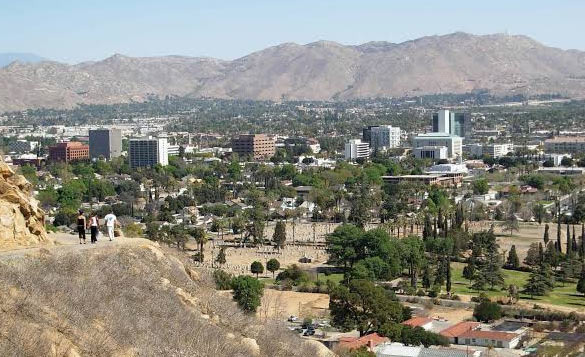
If you want to live in California but are concerned about the high cost of living, Riverside could be one solution.
The cost of living index is 130, which is 30% higher than the national average (100), but it is significantly lower compared to other areas in California like LA (163), Orange County's Irvine (172), and San Diego (155). It often appears as a realistic option for households looking to manage their living expenses while living in California.
Housing costs are Riverside's biggest attraction. The monthly rent for a two-bedroom apartment ranges from $1,700 to $2,200, which is noticeably lower than LA ($2,500+) or Orange County ($2,600+). The median sale price for single-family homes is estimated to be around $550,000 to $650,000, which is close to half the average in LA County. According to Zillow, the Riverside real estate market has steady demand, and areas near UC Riverside in the Inland Empire maintain stable rental demand.
Grocery prices are estimated to be 15-20% higher than the national average. There are large supermarkets like Ralphs, Stater Bros, and Albertsons throughout downtown Riverside, and Costco is nearby, making it easy to save through bulk purchases. The monthly food expenses for a family of four are expected to be between $900 and $1,100, which is somewhat lower than in LA. Korean markets are located more towards Corona and La Verne rather than downtown Riverside, and many Korean businesses are often found in nearby Rowland Heights or Hacienda Heights.
Transportation costs are an important consideration for living in Riverside. It is about 60 miles to downtown LA and about 45 miles to Orange County, so if you commute to a job in a major city, you may spend $600 to $900 a month on fuel and vehicle maintenance. The Metrolink train line from Riverside connects to LA Union Station, which can help reduce costs and stress by utilizing rail commuting. Public transportation operates somewhat around UC Riverside, but it is difficult to live without a car.
Utilities can increase during the summer due to the inland climate. Riverside's summer high temperatures can reach 100-104 degrees, making air conditioning almost essential. The average combined monthly cost for electricity, gas, and water is estimated to be between $230 and $340, and during peak summer months, electricity alone can exceed $250. Riverside has a mix of SCE service areas and its own power company (RPU), so the rate structure may vary depending on where you live.
Compared to other cities in the Inland Empire region, Riverside (130) is lower than Rancho Cucamonga (138) and at the same level as Palm Springs (130) further east. Victorville (112) has a lower cost of living, but there is a trade-off with a significantly longer distance to LA. Riverside serves as the administrative, medical, and educational center of the Inland Empire, with relatively well-developed urban infrastructure.
According to the MIT Living Wage Calculator, the minimum income needed for a family of four in Riverside County is estimated to be around $110,000 annually. Considering the relatively low cost of living in California, the educational environment around UC Riverside, and the growing job market in healthcare and logistics, Riverside appears to be a city worth considering for Korean households looking to manage life in California more practically. However, if you plan to commute to a major city, be sure to include commuting costs and time in your overall living expense plan.
 bluemountainfox1975
 SesameSoup






 parlon |
 Ohio Ohayoung Hello |
 Coding Elf |
 Dragon Lee |
 gravity |
 Finding Superfoods |
 Purple Moons, |

 My Carmen |
  torvik |
  charger |
  holy cheese |
  Pleasant K |
  Rolling Joy Life |
  lidus |
  French Macarons |
  Central Intelligence Agency Deputy Director |
  ATL Power 1 |
  MP Forever |
  Soy Angelino |
  San Jose Pop |
  Pronunciation Yo |
  hamooo |
  Entip |
  Yavrix 92 |
  cherry cherry |
  Coastal city |
  There Are Such Things in the World |
  Mazinger Z Rocket Punch |