
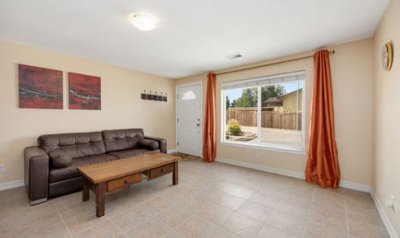
Many people may find the term "townhome" unfamiliar. To put it simply, it means sharing a wall with your neighbor while having a small yard in front and back, with the building's exterior maintenance handled by a management association. In a city like San Francisco, where land prices are high, this middle-ground option is emerging as an attractive choice between single-family homes and condos.
According to Redfin, as of May 2026, the median sale price for all housing types in San Francisco is $1,698,983, which is a 16.1% increase from a year ago. Redfin explains that the boom in the AI industry has sparked the largest increase in eight years.
By type, the median price for single-family homes has risen to $2.14 million, while condos have increased by 24.4% compared to a year ago, marking the steepest rise since 2013. Townhomes have also seen a 16.6% increase, showing a growth trend comparable to single-family homes. This market can be characterized by its notable speed of price increases rather than absolute prices.
If the terminology is unfamiliar, think of it this way: condos only allow ownership of the unit within the building, with the management association handling the structure, exterior, and most facilities, resulting in the highest management fees among the three types. Single-family homes allow full ownership of the land, but the homeowner is entirely responsible for the yard, roof, and plumbing. Townhomes offer a compromise, having their own land while the HOA manages the exterior, making it suitable for families wanting to maintain a yard while reducing management burdens.
San Francisco's entire city is made up of hills and narrow lots, making it difficult to build new single-family homes. As a result, a significant portion of new supply is either condos or, in the relatively spacious southern areas, townhomes. For Korean families who prioritize school districts, townhomes in these areas can provide ample living space and decent school assignments without the budget of a single-family home.
For investors looking for rental income, it can be summarized like this: condos have a lower purchase price, making entry easier, but high HOA fees cut into net returns, while townhomes have limited inventory, leading to competition for purchases. Since it cannot be assumed that prices will continue to rise, it is wise to consider vacancy risks and fluctuations in management fees.
For families newly immigrating from Korea and preparing to settle, it can be thought of this way: San Francisco has a very high initial entry barrier, so experiencing the area through renting before starting to purchase a condo or townhome and gradually increasing the budget seems like a realistic choice.
Nationally, the proportion of new housing supply that consists of townhomes is increasing, and this trend is more pronounced in San Francisco, where land prices are particularly high. Both condos and townhomes lower the entry barriers for first-time homebuyers, but it is important to remember to factor in the total ownership costs, including monthly HOA fees.
For families moving from other states, it can be easy to overlook that California property taxes are assessed based on the purchase price. School district boundaries change frequently, so it is safe to verify the assigned school for the address before purchasing.
Mortgage interest rates also affect the experience differently by type. Condos have a relatively low purchase price, resulting in smaller loan principal amounts, which means less burden from interest rate fluctuations, while single-family homes have larger loan amounts, so even slight changes in rates can significantly impact monthly payments. Considering this aspect can clarify which type is realistic within the budget.
In San Francisco, there is a significant price gap between condos, townhomes, and single-family homes, and the rate of increase varies by type, so it is advisable to consider both budget and lifestyle when making a decision. This article is not investment or legal advice, and it is recommended to consult with a professional before finalizing any contracts.
 LimeStory
 CheeseScout





 |
| 
 Premium Gas Camp |
 CA Real Estate |
 cheesepup |
 breezem |
 Sugar Cream Door Bulletproof Noodles |
 my town K blog |

 Nuchuhan Exploration BLOG |
 Hardworking Running Bobby Kim |
  La Bean |
  American History This and That |
  Monte Sori |
  U donn |
  Sarah's Blog |
  Holy Cow |
  monster |
  houston mama |
  Reggae Party |
  Thou Thou |
  Tennessee Land |
  custardnew |
  Chimhanbang Korea ACU |
  See South Carolina |
  dorex |
  Taek Jun |
  Choi Cho |
  Anova US Beauty Information |
  whiskerbread |
  Yo Lock Me Up |