
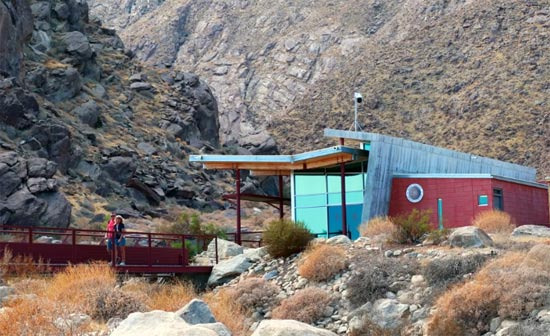
What is the actual cost of living like in this resort city located in the middle of the desert?
The cost of living index in Palm Springs is 130, which is 30 points higher than the national average of 100. Many people are likely curious about the price levels in this city, famous for its world-class spas and golf resorts. Palm Springs, which is popular as a retirement destination, shows a cost structure that is somewhat different from that of typical cities due to its nature as a tourist city.
In terms of housing costs, Palm Springs is relatively accessible within California. For a two-bedroom apartment, the typical monthly rent ranges from $1,800 to $2,400, and the median sale price for single-family homes appears to be between $550,000 and $700,000. Compared to nearby Riverside, which has the same COL index of 130, housing in Palm Springs tends to carry a resort premium. In the case of condos or golf communities that include HOA fees, additional monthly costs can range from $300 to $600.
Grocery prices vary depending on the regional pricing policies of supermarket chains. Palm Springs has a relatively small population and a high proportion of expensive organic stores, so even when using regular supermarkets, prices can be 10-15% higher than the national average. It is realistic to expect monthly food expenses for a family of four to be between $1,000 and $1,300. For Korean ingredients, there is the inconvenience of having to travel to Coachella Valley or Riverside, Ontario, as there are no specialized Korean markets.
Utility costs are significantly influenced by the desert climate. Living without air conditioning in Palm Springs, where summer temperatures can exceed 104°F, is virtually impossible. During the peak air conditioning months from June to September, electricity bills can reach between $400 and $600. The annual average for combined electricity, gas, and water is estimated to be between $280 and $380 per month, which is considerably higher than coastal cities in California.
Transportation costs are essential due to the nature of the desert city, where having a vehicle is necessary. It is about 170 km to Los Angeles and about 240 km to San Diego, so commuting to major cities incurs significant fuel costs. If traveling only within Palm Springs, distances are short, reducing fuel expenses, but most Korean workers often choose to commute long distances to larger cities.
For retired Korean households, Palm Springs can be an attractive option. It boasts over 300 days of clear weather a year, a low crime rate, and well-established infrastructure for outdoor activities like golf and hiking. However, for families raising children or those wanting active interaction with the Korean community, it may be better to consider areas like Indio or La Quinta within the Coachella Valley, which show a somewhat lower cost of living than Palm Springs.
According to C2ER data, the overall cost of living in Riverside County, which includes Palm Springs, is lower than the California average but higher than the national average, placing it in a unique position. To manage the cost of living in the desert wisely, it seems practical to secure a sufficient budget for summer utility expenses and to utilize large supermarkets in Riverside or Ontario for grocery shopping, which can help with actual savings. While the allure of Palm Springs is clear, it is also important to understand and consider the cost structure that comes with that allure.
 RapidHarbor83
 DogCookThief






 moo moo |
 ultron78 |
 garlic bread |

 urbanmint |
 USA Hyundai Kia |
 Palm 1000 |
 US Regional Information Local News |
 Star Blog |
 Where is a really nice neighborhood? |
  Real Estate |
  Forest Gump |
  Real Estate Investment Korean American |
  Dollydori, Lover of Movies |
  dmzline |
  travelo |
  American Food Information & Calories |
  Splendid Mission |
  sparklingo |
  Watch Walker |
  Soy Angelino |
  autumn |
  K-POP TV News |
  cortiva6 |
  Nevada Teppanyaki |
  aerion99 |
  Golado |
  Maximum Pro |
  Joyce blog |