

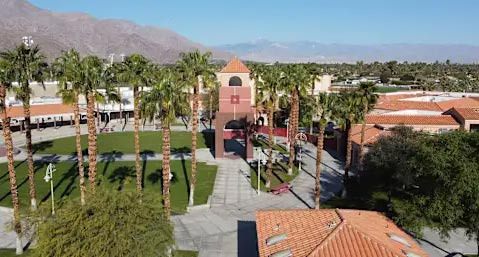
Palm Springs, CA is a desert resort city located at the western end of the Coachella Valley in Riverside County, California. As of 2024, the population is approximately 45,070, making it the largest city by area in Riverside County at 94 square miles (about 243㎢).
The median age is 58.5 years, significantly higher than the national average, with a large proportion of retirees and senior communities. The median household income is $73,119, and the homeownership rate is 65.9%.
The city was officially incorporated in November 1938. Historically, it was the land of the Agua Caliente Band of Cahuilla Indians, and even today, tribal lands are dispersed throughout the city in a checkerboard pattern. This unique land structure continues to influence Palm Springs' urban development and real estate market. Q: How is the Agua Caliente tribal land managed? A: Tribal land is leased to private entities under a long-term land lease arrangement, allowing ownership of buildings but leasing the land. Verification is necessary before purchase.
Palm Springs gained popularity as a retreat for Hollywood stars in the 1930s to 1950s. Frank Sinatra, Bob Hope, and Sonny Bono are notable figures closely associated with the city. Sonny Bono was elected mayor of Palm Springs in 1988 and is also known for founding the Palm Springs International Film Festival. Q: Why is Palm Springs famous as a resort? A: The unique atmosphere is created by over 300 days of clear weather annually, hot springs traditions, mid-century modern architecture, and the distinctive desert landscape of the Coachella Valley.
The climate is classified as desert (BWh), with summer daytime highs reaching 100-115°F, but winters and springs are pleasant, similar to early autumn in Korea. Annual precipitation is around 5 inches (about 127mm), making it very dry, and snow rarely falls in the urban area. However, at the summit of Mt. San Jacinto (elevation 10,834 feet), accessible via the Palm Springs Aerial Tramway, several inches of snow accumulate in winter.
Among the main attractions in Palm Springs, first is the Palm Springs Aerial Tramway (pstramway.com). Opened in 1963, it is the world's largest rotating tramway, taking just 8 minutes to travel from the desert floor (elevation 2,643 feet) to the Mt. San Jacinto station (8,516 feet). Even in summer, the summit remains cool, making it suitable for hiking and camping. Q: What is the round-trip fare for the tramway? A: The adult fare ranges from $29.95 to $34.95, with discounts available for online reservations. Second, the Indian Canyons, located on Agua Caliente tribal land, consist of the Palm, Andreas, and Murray canyons, featuring North America's largest wild fan palm oasis. Third, Palm Canyon Drive is the main street in the city center, lined with shops, dining, galleries, and vintage stores. Q: What is the best season to visit Palm Springs? A: The peak season is from October to April. In March, Modernism Week and the BNP Paribas Open tennis tournament take place, and in April, the Coachella Music Festival occurs, causing a spike in accommodation prices.
The economy is primarily driven by tourism, hotels, golf, and healthcare. There are over 100 golf courses throughout the Coachella Valley, with Palm Springs at the center. The large senior population also contributes to a significant healthcare industry. Palm Springs International Airport (PSP) has seen an increase in direct flights, improving accessibility, and is about a 2-hour drive from LA. The diverse cultural backgrounds and active LGBTQ+ community also contribute to the city's open atmosphere.
 SmileRiver





 moo moo |
 ultron78 |
 garlic bread |

 urbanmint |
 USA Hyundai Kia |
 Palm 1000 |
 US Regional Information Local News |
 Star Blog |
 Where is a really nice neighborhood? |
  Real Estate |
  Forest Gump |
  Real Estate Investment Korean American |
  Dollydori, Lover of Movies |
  dmzline |
  travelo |
  American Food Information & Calories |
  Splendid Mission |
  sparklingo |
  Watch Walker |
  Soy Angelino |
  autumn |
  K-POP TV News |
  cortiva6 |
  Nevada Teppanyaki |
  aerion99 |
  Golado |
  Maximum Pro |
  Joyce blog |