

A house has become vacant in Cincinnati. I needed to find a tenant. But I was unsure where to post the ad. I even considered putting up a flyer on the neighborhood bulletin board. In such cases, having a clear order makes the process much easier.
First, set the rent. According to Zumper, as of August 15, 2026, the average rent in Cincinnati is $1,350. This is a 1% increase from last month and a 5% decrease from a year ago. It is 30% lower than the national average. Based on this number, you can determine a reasonable price considering the condition and location of the house.
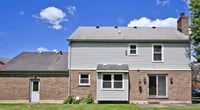
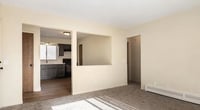
Next is the advertisement. Post it on Zillow, Apartments.com, Zumper, and Facebook Marketplace. Photos are important. Take them during the day and after tidying up the rooms. In the description, clearly state the number of bedrooms and bathrooms, parking availability, and whether pets are allowed. Missing this information can lead to unnecessary inquiries. When responding to inquiries, it helps to have a few time slots ready for showing the house, making scheduling much easier.
When inquiries come in, conduct a screening. Check the credit score. Obtain proof of income. Contact the previous landlord to verify rental history. All three steps must be completed. Skipping any of them could lead to regrets later.
Even after the tenant moves in, keep records. Save receipts for rent payments. When repair requests come in, note the date and details. This record will serve as evidence if disputes arise later. If you need to visit the house, notify the tenant in advance. Do not show up unexpectedly.
Review the ad wording again. Write it short and clear. Place the number of rooms, location, and rent at the beginning. Prepare at least eight photos, covering the kitchen, bathroom, living room, and bedrooms. Poor photos can cause good tenants to overlook your listing. As the lease nears its end, decide whether to renew and how much to increase the rent, and inform the tenant in advance.
If the screening is passed, draft the lease. Document the rent amount, payment date, lease term, security deposit, repair responsibilities, and pet policies. Verbal agreements hold no weight later.
Before signing the lease, take one more step. Document the condition of the house with photos before the tenant moves in. Capture the wallpaper, flooring, and appliances. This will serve as evidence when deducting from the security deposit. If the house was built before 1978, also prepare the required lead paint disclosure documents according to federal law. Many older homes in Cincinnati fall into this category. Make sure to have landlord insurance as well, which protects against risks like fire or damage.
Be aware of Ohio state regulations. There is no state limit on the amount of the security deposit. However, if the deposit exceeds $50 or one month's rent, you must pay the tenant 5% interest on the excess amount if they have lived there for more than six months. The deadline for returning the security deposit is 30 days after the tenant vacates. If this deadline is missed, the landlord may lose the right to deduct from the deposit and could face double damages and attorney fees for the tenant.
When evicting a tenant for unpaid rent, a 3-day notice is standard. For lease violations or termination of the rental agreement, a 30-day notice is required. In either case, you must go through the court. Taking matters into your own hands, such as removing belongings or changing locks, is illegal in Ohio.
By following this order, you won't get lost from advertising to signing the lease. It may seem daunting at first, but taking it step by step will make it much easier next time. Cincinnati has a lower rental burden than the national average, so taking your time and following the steps carefully is ultimately the best way to find stable, long-term tenants. This article is intended to provide general information, and it is advisable to consult a real estate professional or rental law attorney before finalizing any contracts. The first time is always the most unfamiliar, but it becomes much easier from the second time onward.
 MomsFund
 RadoMajang






 Sugar Cream Door Bulletproof Noodles |
 urbanmint |
 |
| 
 Premium Gas Camp |
 CA Real Estate |
 Bliss O |
 happy 9 |
 Mr Cleveland |
 peace |
  UCLA Captain |
  lattecu |
  dynamite |
  frostingline |
  Hakuna Matata |
  Your Curiosity Resolved |
  Way to easy |
  Chino Min |
  nexabyte |
  moonshine 7 |
  Sunset Oregon |
  victoria 68 |
  golfmaster |
  Montgomery Mom |
  squidogame |
  Noodle Noodle |
  Rhode Island Good People |
  Big North |
  Famous Attractions in the United States |
  Jin Soo V |