
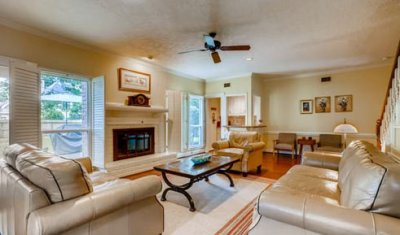
Walking through downtown Lexington, you can feel the air change in different spots, even within the same town. The historic district along Massachusetts Avenue is lined with 18th-century Revolutionary War sites and old Colonial-style homes, while areas adjacent to Burlington and near the MBTA commuter rail station have seen the rise of new low-rise condos and townhouses in recent years. Choosing between new construction and existing homes ultimately comes down to how one perceives the differences in the neighborhood atmosphere.
According to RentCafe, the average rent in Lexington is around $3,544 as of 2026. For different bedroom counts, a 1-bedroom averages 911 square feet at $2,892, a 2-bedroom is 1,249 square feet at $3,701, and a 3-bedroom is 1,385 square feet at about $4,307. This is 58% higher than the national average, reflecting the town's reputation as a prestigious school district near Boston.
The harsh winters typical of New England also affect the aging of existing homes. Colonial-style houses built before the 1980s were often constructed under lower insulation standards, leading to noticeably higher heating costs in winter compared to new builds. In contrast, recently built condos and townhouses come equipped with double-pane windows and enhanced insulation, resulting in significant differences in heating and cooling costs that can be felt with each changing season.
In recent years, the supply of new construction in Lexington has increased significantly, coinciding with the implementation of Massachusetts' MBTA Communities zoning law. Local media reports indicate that since the law's enactment, approximately 1,600 new housing units have been proposed in Lexington alone. However, during the 2025 town meeting, a proposal to reduce the zoning area from 227 acres to 90 acres and to strengthen height and density restrictions passed with a vote of 164 to 9, suggesting that the pace of new construction may be adjusted moving forward. In fact, projects like the more than 50-unit mixed-use development near Belfry Hill or the new 30-unit condo combined with two historic homes in The REX project often require review by the town's Historic Districts Commission, even if they are new builds.
The largest share of existing housing stock in Lexington consists of buildings constructed in the 1980s, accounting for 23% of the total with 484 units. These buildings typically feature spacious layouts and mature landscaping, often located within established neighborhoods that fall within the already proven school assignment zones of the Lexington public school district. However, some may be approaching the time for plumbing, roofing, or HVAC replacements, so it's wise to check recent repair histories before purchasing.
New condos and townhouses tend to have lower heating and cooling costs due to the latest insulation materials and smart home features, and they often come with building warranties that last from 1 to 10 years. However, new constructions with community amenities like pools, fitness centers, or concierge services typically have higher HOA fees compared to existing homes. Nationwide, new constructions often carry a rental premium of about 10 to 20% over existing homes, but in towns like Lexington, where the supply of new builds is limited by historic district reviews and zoning restrictions, this premium may be felt even more acutely.
The reason many Korean families are eyeing Lexington is primarily due to the school district, but since school district boundaries frequently change, it's advisable to verify the assigned school for a given address through GreatSchools or state education department resources before signing a lease. If moving from out of state, it's also important to consider that Massachusetts property tax rates and previous residency criteria may differ. If you desire the charm of historic districts, existing homes may be the answer, while new constructions may be preferable if you want to reduce maintenance burdens.
For investors looking for rental income, in towns like Lexington where the supply of new builds is limited, purchasing existing homes and making partial renovations to increase rental value can be a viable strategy. However, rather than assuming that market prices will continue to rise, it's safer to compare rental data for both new and existing homes in the area to assess risks.
This article does not constitute investment or legal advice, and it is recommended to consult with a real estate agent or tax professional before making any agreements.
 ChicagoDrKim
 GingerKart







 cheesepup |
 breezem |
 yentra |
 virex |
 vexon87 |
  neapolis |


 Springs Korea |
  nixon |
  mini hometown |
  Gleeee |
  MacMorningBlog |
  ASURA |
  Elastico |
  shaket |
  vionoo |
  chocolate |
  Whisper |
  Star Voyager |
  InDiGo |
  Rocky Mountains |
  Whoever It Is, I Don't Know |
  Why Not Me |
  Plastic Rose |
  Rice Shop Uncle BLOG |
  Victory 1988 |
  Gook Rule |