

Living as an immigrant in Miami feels like being in a truly unique city.
When you visit as a tourist, the beautiful beaches, great weather, and palm trees make it seem like paradise.
However, when you actually live and work here, you definitely notice both the good and the challenging aspects.
One of the best things I feel is that being an immigrant doesn't make you stand out too much.
Miami is a city where people from many different countries come together. There's no strange looks if you have an accent, and you don't need to feel intimidated if your English isn't perfect.
In fact, Spanish often feels like a second language here. You hear it in the grocery store, in restaurants, and even while walking down the street. At first, it can be confusing whether you're in the U.S. or Latin America.
For Koreans, this atmosphere can sometimes feel more comfortable. It gives the impression that you're not the only one from abroad. With everyone looking different and speaking English with various accents, being an immigrant isn't a unique experience.
The weather is also a major advantage.
Among those who immigrate from Korea, some struggle particularly with winter. Miami hardly has cold, dark winters. Even in the middle of winter, you can go for a walk on sunny days and visit the beach.
This may seem trivial, but the power of the weather can be significant when you're feeling lonely and frustrated in the early days of immigration. Even if family or friends from Korea come to visit the U.S., they usually prefer Miami over places like New York or Chicago in the winter, as there are definitely more places to take them.
However, living in Miami isn't all romantic.
The first challenge you encounter is money. If you come expecting the Miami of the past, you might be shocked by today's rental prices. Since COVID, housing prices and rents have skyrocketed, and grocery and dining costs are also considerable.
Having a car is practically essential. If you're used to getting around by subway and bus in Korea, it can be quite inconvenient at first. You can't just think about the car payments; you also have to consider insurance, gas, maintenance, and parking fees. Especially in Florida, car insurance can be surprisingly expensive, and many people are shocked when they receive their initial quotes.
The summer weather is also no joke.
While winter is nice, summer is hot and humid. Just being outside for a short time can make you sweat, and the air conditioning runs almost all day. From June to November, you also have to be mindful of hurricane season. When news breaks about a major hurricane approaching, you need to prepare water and emergency supplies and fill up your car with gas.
Another downside for Koreans is the Korean community.
Unlike Koreatown in LA or New Jersey, where you can find Korean restaurants, hospitals, grocery stores, and various services all in Korean, it's hard to expect that kind of environment here. There is a basic Korean community, but the scale is definitely different.
So, Miami seems to suit those who enjoy mixing with new cultures rather than those who want to live comfortably in a Korean environment.
Ultimately, I find it hard to say whether Miami is good or bad.
It has sunshine and beaches, and a relatively natural atmosphere for immigrants, but it also comes with high living costs, dependence on cars, heat, and hurricanes.
Rather than moving here just based on glamorous Miami photos, it's better to be aware of these realities. If you come prepared with an understanding of the downsides, the advantages will stand out much more. I believe Miami is that kind of place.
 GloomyMonday
 VegasBoss




 Smile Face |
 Helpful Life Stories |
 Casa Mia |
 Study Abroad Life Know-How Tips |
 pravix22 |
 Florida King |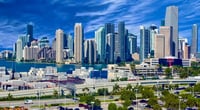
 My Miami Stories |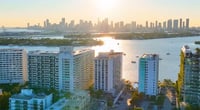
 Komet Park |
  Mr Song Song |
 Victory 1988 |
  Cap Com |
  nixxon |
  kevin Kim |
  beerdreamer |
  Kims Spring |
  White bunny |
  Kansas City Representative Singer |
  shadow 007 |
  sun walker |
  Choco Choco Star |
  midnight blue |
  honeypot |
  summer |
  adventure77 |
  flexible |
  Shintongbangtong Shin Naerin James Park |
  truepixel |
  Kathy's Blog |
  Hae Naem |
  quatspace |