
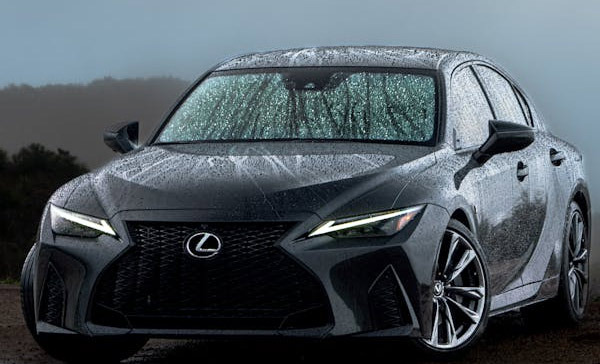
Lexus is a premium brand created by Toyota to challenge the luxury car market, loved worldwide for its outstanding quality, sophisticated design, and innovative technology. It is particularly one of the representative luxury car brands that has successfully established itself in the U.S. market.
History of Lexus
Founding Background
- 1983: The story of Lexus began when Eiji Toyoda, then chairman of Toyota, directed the development of a luxury sedan project. The project was named the "F1 Project," aiming to develop the "Flagship One" car.
- 1989: The first Lexus models, LS 400 and ES 250, were unveiled at the Detroit Auto Show. The LS 400 made a significant impact by being offered at a much more reasonable price than competing brands at the time.
Growth and Global Expansion
- 1990s: Lexus achieved success in the U.S. market with its outstanding quality, precise assembly, and quiet ride, beginning to compete with BMW and Mercedes-Benz.
- 2000s: Expansion into various segments, including hybrid models. The RX series became a bestseller in the premium SUV market.
- Present: Lexus is sold in about 90 countries and holds a significant position in the global luxury car market.
Reasons for Lexus's Popularity in the U.S.
1) Quality and Reliability
- Lexus is highly regarded for its quality control and reliability.
- It is known among American consumers as a "car that rarely breaks down," consistently ranking high in consumer satisfaction surveys like JD Power.
2) Quietness and Ride Comfort
- Lexus is famous for providing vehicles with a quiet interior and comfortable ride.
- At the time of the LS 400's launch, the engine's quietness was overwhelming compared to competing models, establishing it as a core strength of Lexus.
3) Reasonable Price and Value
- As a luxury brand, it maintains a more reasonable price range compared to European brands like Mercedes-Benz and BMW while offering luxurious quality.
- Its maintenance costs are also lower than competing brands, making it attractive to consumers.
4) Diverse Lineup
- Lexus offers a variety of models, including sedans, SUVs, and sports cars.
- In particular, the RX series and NX series are very popular in the premium SUV market, and the transition to electrified models is progressing rapidly.
5) Hybrid Technology
- Lexus is a pioneer in hybrid technology, consistently releasing models that emphasize fuel efficiency and environmental friendliness.
- This is one of the factors that has gained significant popularity among American consumers, who traditionally have a strong interest in hybrids and electric vehicles.
6) Customer Service
- Lexus provides excellent customer service under the philosophy that "service is luxury."
- American consumers highly value the attentive and sophisticated service they experience at Lexus dealerships.
Current and Future Vision of Lexus
Current Challenges
- Electric Vehicle Competition: Competing with various electric vehicle brands, including Tesla.
- Luxury Market Competition: Intense competition with European luxury brands like BMW, Mercedes-Benz, and Audi.
Future Vision
- Electrification Strategy: Lexus has announced plans to transition its entire lineup to electric or hybrid models by 2030.
- Sustainability: Aiming for the use of sustainable materials and carbon neutrality in the manufacturing process.
- Advanced Technology: Focusing on the development of smart vehicles utilizing autonomous driving, connected car, and artificial intelligence technologies.
Lexus has firmly established itself as a luxury brand in the U.S. market based on quality, reliability, innovative technology, and customer-centric service.
With a future strategy focused on electrification and sustainability, it is expected to maintain strong competitiveness in the changing automotive market.








 Weekend Movie Blog |
 Beauty, Health, Lifestyle Blog |
 coloradoman |
 Superman Cat Blog |
 novapixel |
  Korean Mom |
  My NYC |
  moo moo |
  Mr Oh |
  forevergee |
  festival |
  manchester |
  constant |
  Leapfrog Move |
  vibranto |
  Tora Tora |
  yellowbutter |
  Dolly |
  US Embassy |
  NYC saladbar |
  Finding Superfoods |
  lightyear |
  song bang |
  vexomo |
  Indiana Jones |