
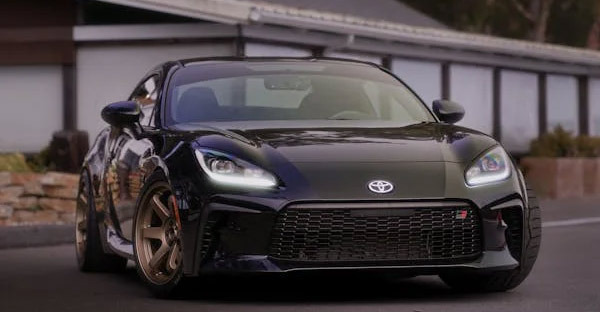
Toyota operates various production plants in different states in the US, strengthening its position in the North American market through localized production. Below is a summary of major plants, production models, and annual production capacity.
1. Georgetown, Kentucky
- Year Established: 1988
- Features: Toyota's largest production facility in the US, employing about 8,000 people.
- Production Models:
- Camry
- Camry Hybrid
- Lexus ES 350
- Annual Production Capacity: Approximately 500,000 units
- Importance: The most important production hub in North America, playing a key role in Toyota's global strategy.
2. Princeton, Indiana
- Year Established: 1996
- Features: Specializes in family vehicle production and makes significant contributions to the local economy.
- Production Models:
- Sienna minivan
- Highlander SUV
- Sequoia SUV
- Annual Production Capacity: Approximately 400,000 units
- Importance: Responsible for the production of Toyota's SUVs and minivans, which are exported worldwide.
3. San Antonio, Texas
- Year Established: 2006
- Features: The center for Toyota's North American pickup truck production, meeting local truck market demand.
- Production Models:
- Tacoma
- Tundra
- Annual Production Capacity: Approximately 200,000 units
- Importance: Expands Toyota's market share through production tailored to US pickup truck demand.
4. Blue Springs, Mississippi
- Year Established: 2011
- Features: A factory specializing in the production of compact sedans.
- Production Models:
- Corolla
- Annual Production Capacity: Approximately 150,000 units
- Importance: A crucial facility responsible for Toyota's small car lineup in the North American market.
5. Huntsville, Alabama
- Year Established: 2003
- Features: Specializes in engine production, manufacturing engines needed for various vehicles supplied to the North American market.
- Production Items:
- V6, V8, hybrid engines
- Annual Production Capacity: Approximately 700,000 units
- Importance: Responsible for the powertrains of Toyota vehicles, producing high-quality engines.
Future Investments and Expansion Plans
- North Carolina Electric Vehicle Battery Plant: Scheduled to start operations in 2025, planning to produce batteries locally for electric vehicle production.
- Kentucky Electric Vehicle Production Line: Existing plant to be converted into an electric vehicle production facility, expected to start electric SUV production in 2025.
- Sustainability Goals: Strengthening eco-friendly strategies through carbon-neutral production and the expansion of electrified models.
Toyota operates over 10 major production plants in the US, employing about 140,000 people. Through local production, Toyota enhances its competitiveness in the US market and provides high-quality vehicles to customers across North America. The strategy focusing on electric and hybrid vehicle production will support Toyota's continued growth in the future.








 Weekend Movie Blog |
 Beauty, Health, Lifestyle Blog |
 coloradoman |
 Superman Cat Blog |
 Victory 1988 |
  Korean Mom |
  My NYC |
  moo moo |
  Mr Oh |
  forevergee |
  festival |
  manchester |
  constant |
  Leapfrog Move |
  vibranto |
  Tora Tora |
  yellowbutter |
  Dolly |
  US Embassy |
  NYC saladbar |
  Finding Superfoods |
  lightyear |
  song bang |
  vexomo |
  Indiana Jones |