
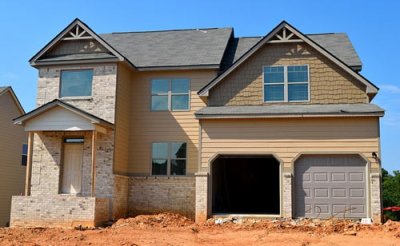
Recently, a buyer who was in the process of closing on an investment condo in Glenview contacted me after receiving a notice about the renewal of the management association's insurance just a week before closing. The notice indicated that the master insurance premium had increased significantly, which could lead to a sudden rise in monthly management fees. Such cases have been increasingly common in recent months.
Glenview is known for its good school district in the Chicago North Shore area, so there is steady demand for residential living. However, looking at the types of housing, single-family homes make up 61.8%, while condos in large buildings with more than 20 units account for only 16.1%. Since there are not many condos available, competition tends to arise when listings come up, and the median price for condos is around $349,500. In comparison, the median price for single-family homes reaches around $700,000, making the entry barrier relatively lower for condos.
For those used to the management fees of Korean apartments, the structure of American condo fees may feel somewhat unfamiliar. In Korea, apartment management fees often consist mainly of heating and cooling, cleaning, and security labor costs. In contrast, American condo management fees include the master insurance premium that covers the entire building, which, along with the reserve fund contributions, significantly influences the total management fee. Therefore, even for a condo listed at $349,000, the actual holding costs can vary greatly depending on when the insurance renewal occurs and how much the premiums have increased in recent years.
However, if you only consider the price, you might overlook the management fees. The average management fee for condos in Illinois, including Glenview, is around $450 per month. Recently, the frequency of natural disasters, litigation risks, and rising construction costs have led to significant increases in master insurance premiums at renewal times, which has been observed nationwide, especially in Illinois. If the insurance premiums exceed the budget, the management association can impose special assessments based on 765 ILCS 605/18, but there is also a procedural check in place: if the total increase in management fees exceeds 115% compared to the previous year, 20% of the unit owners can sign to request a meeting within 21 days.
Therefore, when considering condos for investment purposes, it is important to check not only the purchase price and current management fees but also the financial statements and insurance renewal history from the past 2 to 3 years. It is also worth looking into the minutes of the management meetings for discussions related to insurance or any planned special assessments. Recent market trends show that properties with lower management fees often have insufficient reserve funds, leading to special assessments to cover the increase in insurance premiums. If you only focus on the currently low management fees, you may face a larger burden later on.
Loan conditions are also an important aspect to consider. If the percentage of delinquent units in the management association exceeds 15% or if the proportion of rental units is excessively high, the condo may be classified as a non-warrantable condo, making it difficult to obtain conventional loans. In 2026, while Fannie Mae and Freddie Mac relaxed the 50% cap on rental units, the requirement that reserve funds must be at least 15% of the budget has been tightened. This means that buildings with low reserve fund levels may face more challenges in securing loans in the future.
If Korean families choose Glenview for its school district, it is advisable to verify the assigned school based on the address when purchasing a condo. School district boundaries change frequently, so using indicators like GreatSchools or Niche should be for reference only.
- Check the financial statements and insurance renewal history from the past 2 to 3 years
- Verify the reserve fund accumulation rate and reserve study results
- Check for any planned or discussed special assessments
- Confirm the delinquent unit ratio and rental unit ratio
If you are approaching this for rental income, it is realistic to calculate the net yield after deducting management fees and property taxes. In areas like Glenview with good school districts, concerns about vacancies are relatively lower, but if management fees rise unexpectedly, the yield you initially calculated may be affected, so it is wise to keep this in mind. When considering resale in the future, complexes with ample reserve funds and easier loan approvals tend to attract a wider range of buyers, making resale more favorable.
If you are moving from another state, it is also necessary to consider the property tax burden in Illinois. The actual holding costs, when combining management fees and property taxes, often turn out to be higher than initially expected. This article does not constitute investment or legal advice, and it is recommended to consult with professionals such as accountants and real estate attorneys before finalizing any contracts.
 RadoMajang
 AgentSmith








 cheesepup |
 breezem |
 yentra |
 virex |
 vexon87 |
 Sayonara H |
 glenview 89 |
 Epoca News |
 moo moo |
 breezelove |
  Minnesota Sonata N |
  hazelnut |
  Korean News American Blog |
  AH LALA |
  Savion |
  pintos |
  Good Good |
  oh my salami |
  Lemonade Cider Planning Director |
  Way to easy |
  American Hardcore Band |
  Dala Dala |
  Pointy |
  Springs Korea |
  nixon |
  mini hometown |
  Gleeee |
  MacMorningBlog |