

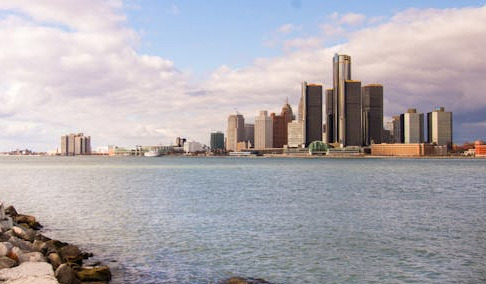
One of the images that comes to mind when thinking of Chicago is the beautiful cityscape spread out in front of the lake. The lake where Chicago is located is Lake Michigan, one of the Great Lakes. The Great Lakes, which span the northeastern United States and Canada, are home to some of the largest freshwater lakes in the world. Today, we will briefly look at the characteristics, history, and tourism information related to the Great Lakes in the Chicago area.
What are the Great Lakes?
The Great Lakes refer to the five lakes: Superior, Michigan, Huron, Erie, and Ontario. They are interconnected and boast an enormous volume of water, significantly contributing to transportation and economic development in North America.
Chicago and Lake Michigan
– Location and Size: Chicago is located in the state of Illinois and is situated on the southwestern shore of Lake Michigan, the only Great Lake that is entirely within the United States. Lake Michigan covers an area of about 58,000 square kilometers, making it slightly smaller than South Korea in terms of surface area.
– Iconic Image of Chicago: Photos of the Chicago skyline often feature the lake and skyscrapers together, and the open view provided by Lake Michigan creates a unique charm for the city of Chicago.
History and Role of the Great Lakes
– Transportation Hub: The Great Lakes have historically been a region where shipping and trade were active. Particularly, canals and waterways constructed through this area have connected the interior with the Atlantic Ocean, allowing surrounding cities to develop rapidly alongside industrialization.
– Growth and Relevance of Chicago: Chicago has grown to be the largest city in the region adjacent to the Great Lakes, with transportation, trade, and water supply through Lake Michigan playing a significant role in the city's development.
– Water Resource Protection: The Great Lakes account for a significant portion of North America's freshwater resources, making them important for environmental conservation and water resource management. Each state and the federal government are working together to protect the Great Lakes ecosystem.
Tourism and Recreational Activities
– Chicago Lakeshore: The city center of Chicago is right next to Lake Michigan, with well-maintained lakeside walkways, beaches, and bike paths. Especially in the summer, various festivals and events along the lake attract both residents and tourists.
– Sports and Activities: You can enjoy water activities such as yachting, kayaking, and fishing on Lake Michigan, and if you venture a bit further, you can engage in recreational activities like trekking and camping in the national parks or nature reserves around the Great Lakes.
– Nearby Attractions: Downtown Chicago, Millennium Park, and Navy Pier are adjacent to the lake, making it enjoyable to explore the city's attractions alongside the sea-like lake scenery.
Things to Know
– Climate Characteristics: Due to the lake's size, there is a unique climate phenomenon known as the Lake Effect. In winter, heavy snowfall can occur, while in summer, the lake breeze can provide relative coolness.
– Environmental Conservation: The Great Lakes and their surrounding ecosystems are habitats for many species. When traveling, it is important to pay attention to protecting the natural environment and to follow the regulations set by the local area.
The Great Lakes, including Lake Michigan in the Chicago area, hold significance beyond just being vast waterways. They have a profound impact on transportation, economy, and the natural environment in North America, and the cityscape and cultural charm of Chicago shine even brighter through this lake. If you plan to travel to Chicago, I recommend taking your time to explore the area around Lake Michigan and enjoy the scenery and recreational activities that this massive lake offers.





 ultron78 |
 garlic bread |
 Sugar Cream Door Bulletproof Noodles |
 urbanmint |
 |
| 
 Illinois Mom |
 Rice Shop Uncle BLOG |
 Khan Film Blog Production |
 Nanana Nanana Nanana |
 Enjoyable American Life Diary |
  forevergee |
  festival |
  manchester |
  constant |
  Leapfrog Move |
  vibranto |
  Tora Tora |
  yellowbutter |
  Dolly |
  US Embassy |
  NYC saladbar |
  Finding Superfoods |
  lightyear |
  song bang |
  vexomo |
  Indiana Jones |
  meloncat |
  novapixel |
  mortrix |
  Esther 1983 |