
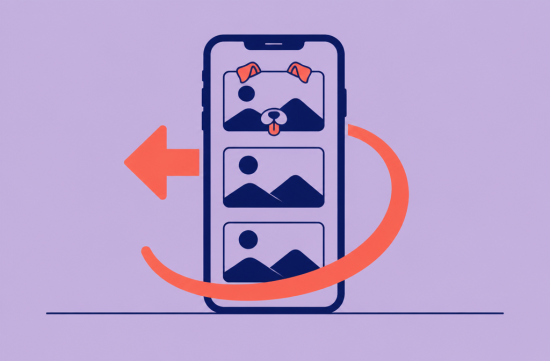
Scrolling through Instagram feeds these days can be confusing. Dog ear filters, flower crown selfies, and Pokémon GO captures are popping up everywhere.
It's definitely 2026, but the content on screen feels just like 10 years ago. This trend, dubbed "2026 is the new 2016," started back in January and has surprisingly continued into the fall.
At first, I thought it was just a passing meme. But it has lasted quite a while. So I dug into why 2016 in particular is being referenced.
Q. When and how did this trend start?
A. According to various media sources, it all began on December 31, 2025, when a TikTok user posted a montage of moments from 2016. After that, people started pulling out their photos from 10 years ago.
According to TikTok, the #2016 hashtag surged over 450% in the first few days of January. Searches for "2016 makeup" reportedly increased by nearly 600%.
Honestly, I was surprised by these numbers. If makeup searches are skyrocketing, it suggests that this isn't just a simple nostalgia trip.
According to ABC News, there were over 1 million posts tagged with #2016 on TikTok and more than 37 million on Instagram. It's interesting that the Instagram numbers are significantly higher.
Even celebrities got in on it. According to ABC News, people like John Legend and Reese Witherspoon posted their photos from 10 years ago, adding to the trend.
Q. So what was happening in 2016?
A. There were quite a few notable events. Pokémon GO was released in the U.S. on July 6, 2016.
That summer, you could see people wandering around local parks with their phones. I remember going out late at night with friends to find PokéStops.
The Mannequin Challenge also started that fall. A video posted by high school students in Jacksonville, Florida, went viral, turning into a nationwide phenomenon by November.
And then there were Snapchat filters, bold eyebrow makeup, and heavily edited selfies. They might seem a bit outdated now, but that outdatedness is part of the charm.
For several years, the trend was more about the "clean girl" look, which featured a relaxed style with neutral colors, no-makeup vibes, and minimal feeds. Many analyses suggest that people are now bouncing back to the loud and bold styles of the past.
Q. But why are we feeling nostalgic for that time now?
A. I think the most convincing explanation relates to the structure of feeds. On March 15, 2016, Instagram announced it would be moving away from chronological feeds to an algorithm-based order for posts.
This change was gradually implemented starting in June of that year. There was significant backlash, with TechCrunch even calling it the worst change of the summer.
So, 2016 was the last time we could see posts from friends in the order they were posted, just before ads, recommended videos, and AI content started to mix in.
It's like this in food terms: back then, you ate home-cooked meals prepared by your mom, but now you're eating a multi-course meal chosen by an algorithm. It tastes good, but you didn't choose any of it.
Also, it was before the pandemic. Since it was four years before 2020, many people remember it as the last normal year before everything changed.
Media outlets like NPR and Fortune have analyzed this similarly. They suggest that people, tired of economic uncertainty and endless news cycles, are seeking out the lighter, more playful internet of the past.
I've experienced this myself. When I post a photo from 10 years ago, friends I haven't spoken to in a while comment. That's something you rarely see in today's feeds, so it felt nice.
Q. So was 2016 really that great of a year?
A. I see it a bit differently. 2016 was also a year of significant division in the U.S. due to the presidential election.
From the perspective of immigrants and minorities, it's hard to say that year was entirely bright. Many people around me felt anxious while watching the news back then.
Ultimately, I think what people are nostalgic for isn't so much 2016 itself, but rather their own experiences during that time and the atmosphere of the internet back then. Memories tend to highlight only the good parts.
Still, I don't think this trend is a bad thing. In fact, I see it as a very practical signal.
It shows that people are tired of perfectly curated feeds and want to feel a genuine connection with friends. Platforms are surely aware of this.
If it were me, I'd probably do this: I'd post a photo from 10 years ago for fun, but I'd make a habit of focusing on the follow tab rather than algorithmic recommendations.
We can't go back to 2016, but we can somewhat revive that feeling. What do you have the most of in your phone gallery from 10 years ago?
 FunSmoothie






 Anova US Beauty Information |
 anchor |
 Korea Tiger News |
 Alpha and Omega World |
 Florida King |
 Min's blog |
 Doori Ark |

 Generation X |
 Live and that's it |
  unified |
  ringwinds |
  American Food Information & Calories |
  Hawaii Maui Kahului |
  calvorn |
  fernando park |
  newyorker 101 |
  coffeee |
  |
|  Christopher |
  sylven |
  Sammy Beach |
  Bliss O |
  blue ocean |
  greenlight |
  Watanaka Karametibaksa |
  castle |
  xelton52 |
  carefree |