


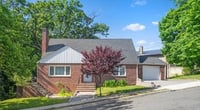
I have compared two units of the same size that had a difference of over $40 in monthly electricity bills. One was a new construction with double-pane windows and a high-efficiency heat pump, while the other was an existing home built 20 years ago. When looking solely at heating and cooling costs, the new construction is clearly advantageous, but whether that advantage holds true when considering the overall rent needs to be evaluated separately.
According to RentCafe, the average apartment rent in Fairfax for 2026 is $2,361, which is a 2.16% decrease from $2,413 a year ago. Studios in older buildings start around $1,700, and one-bedroom apartments range from $1,900 to $2,500 depending on location and condition. The influx of new constructions and the increase in multi-family housing supply have contributed to a gradual adjustment in the overall market, which is reflected in this decline.
The energy efficiency of new constructions is a clear advantage. The latest insulation materials and smart home temperature controls significantly lower heating and cooling costs, and this is complemented by builder warranties that apply to structure and equipment. However, these advantages come at a cost. New condos or townhouses often come with community amenities like pools, gyms, and concierge services, which can lead to higher HOA monthly fees compared to existing homes.
Existing homes, on the other hand, have the opposite combination. While management fees are lower, heating and cooling costs may be higher, and if the building is over 20 to 30 years old, the time for plumbing or roof replacements may be approaching, leading to unexpected repair costs. However, they often offer more spacious layouts and established landscaping, which can provide a sense of stable homeownership for families planning to settle down.
The property tax rate for Fairfax County for the 2026 fiscal year is $1.1225 per $100 of assessed value, with an effective tax rate of about 1.01%. Families moving from other states often estimate property tax levels based on their previous residence, only to recalculate upon receiving the actual bill, so it's safer to check the county's data directly before moving. Keep in mind that tax rates and assessments can vary by county.
Fairfax is an area with school districts that have long been favored by Korean families. However, just because a school district is rated highly does not mean the gap between new and existing homes disappears; within the same school district, rental prices and management fee structures can vary significantly based on the age of the building. School district boundaries change frequently, so it's advisable to verify the assigned school for the address before signing a lease.
Ultimately, new constructions have a high initial cost burden, but this is offset by energy efficiency and warranties, while existing homes have lower management fees but require the owner to bear repair risks. Therefore, it's difficult to say that one option is unilaterally better than the other.
From an investor's perspective, new constructions can command higher initial rents, but as noted earlier, the increase in multi-family housing supply in recent years means that rent increases may not be as significant as they once were. Existing homes have a relatively lower purchase price, resulting in a smaller initial investment burden, but if major repairs like roofs or plumbing coincide, annual net profits can significantly decrease. Rather than assuming that prices will always rise or that one option is always safe, it seems more realistic to make decisions based on holding periods and budgets.
Families moving from other states should also consider Fairfax County's unique tax structure. Virginia imposes a separate vehicle tax in addition to property taxes each year, which is often overlooked by families coming from states with no income tax or primarily property tax. Checking the actual tax items on the county website before moving can help when budgeting.
This article is not investment or legal advice, and it is recommended to consult with a professional before making any actual agreements.
 Christina
 goldenforestwalker1916






 cheesepup |
 breezem |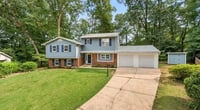
 yentra |
 virex |
 vexon87 |
 Alpha and Omega World |
  korvex93 |
 Yellow Snowman |
 Next Year, Let's Become Rich |
 Whisper |
  Star Voyager |
  InDiGo |
  Rocky Mountains |
  Whoever It Is, I Don't Know |
  Why Not Me |
  Plastic Rose |
  Rice Shop Uncle BLOG |
  Victory 1988 |
  Gook Rule |
  Rowland Mama |
  Coco and Lulu |
  Baguette Blog |
  washington mom |
  yorvik12 |
  HVAC will prosper |
  mortrix |
  Panorama Kstar |
  MAX009 BLOG |
  K-POP TV News |