

While watching the news in the U.S., I found myself curious about something, so I sat down at my computer for the first time in a while.
A common topic that comes up among housewives is, "Why don't Americans use bidets like this?"
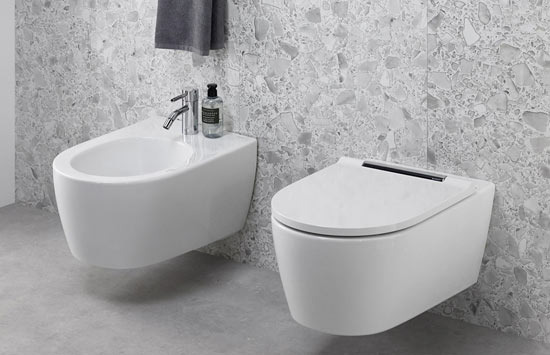
Many Koreans think of a bidet as a device with a nozzle attached to the toilet that sprays water. However, the original bidet was something entirely different.The bidet is believed to have originated in France in the 17th century. At that time, it was a small porcelain basin installed separately from the toilet. Just by looking at it, it resembles a child's washbasin or a low sink.
The method of use was to sit on the bidet after using the toilet and wash directly with water. Its original purpose was personal hygiene, playing a significant role in Europe before shower facilities became common.
In Southern European countries like France, Italy, Spain, and Portugal, traditional bidets are still commonly seen. In hotels or older homes, you might find a separate porcelain fixture next to the toilet that looks similar to a toilet but dispenses water; that is the original form of the bidet.
Interestingly, traditional bidets have not been widely adopted in the U.S. for a long time.
Some American soldiers stationed in Europe during World War II were introduced to bidets for the first time, and they initially developed a negative image after seeing them in adult establishments or shared hotel bidets.
In contrast, Europe still values hygiene, which is why bidets are common. In Italy, for instance, there are standards that effectively mandate the installation of bidets in new homes.
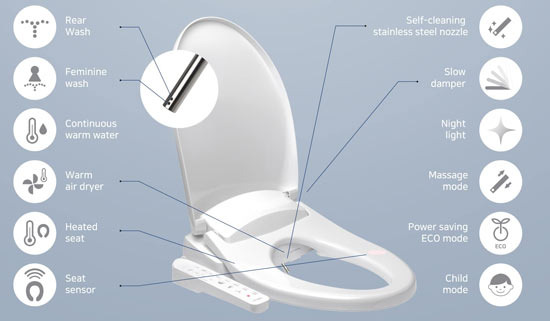
The electronic bidets used in Korea and Japan today are actually a modern evolution of the traditional European bidet.
Instead of installing a separate porcelain fixture, they attach a nozzle to the toilet to save space and enhance usability.
So when Europeans see Korean bathrooms, they might think, "The bidet has gone into the toilet?" and when Koreans see European bathrooms, they might wonder, "Why is there a small toilet next to the regular one?" This creates an interesting cultural difference.
Moreover, Americans have a unique love for toilet paper. You all remember the toilet paper shortage during the pandemic, right?
Beyond cultural differences, there are significant practical issues with housing infrastructure. If you visit a typical American bathroom, you'll often find that there are no power outlets near the toilet.
Even if you want to install a warm electronic bidet, there's no place to connect the power. Extending the cord would be unsightly, and hiring someone for electrical work can be costly in the U.S. It often ends up being more expensive than the installation itself.
Additionally, American bathrooms are 100% 'dry structures' without floor drains.
If even a little water splashes or leaks from the plumbing, it can cause damage to the ceiling below, so they are extremely cautious about installing water-using bidets.
In Virginia and many other states, there are also areas with hard water, which can quickly clog and damage bidet nozzles, presenting a real technical issue.
In the U.S., a high percentage of people rent apartments or townhouses.
Since it's not their own home, changing the toilet or making plumbing modifications is absolutely impossible without the landlord's permission. Tenants often give up on these ideas to avoid being told to restore everything when they move out, as there's no culture of including bidets as an option from the construction stage like in Korea.
However, I saw in the news that the atmosphere in the U.S. is changing these days. The decisive moment was during the pandemic a few years ago.
At that time, there was a toilet paper hoarding frenzy in American stores, causing quite a stir, right? Americans who couldn't find toilet paper finally started looking for alternatives.
Nowadays, trendy startups like 'TUSHY' are producing stylish 'non-electric bidets' that don't require electricity, and they are selling well among the younger MZ generation in America. They work by being slightly inserted under the toilet seat and operate solely on existing water pressure, making installation easy and the design attractive.
While I often miss the warm bidet I used in Korea, these days, American stores have a wide variety of wipes available, so I'm managing to get by.
Still, it's exciting to see Americans opening their eyes to the 'new world' of bidets, and I hope that one day we'll hear the sound of water streams in every American household bathroom!
 RoeConan
 goldenroadtraveler1919
 NationalSing





 ollege Mom |
 Helpful Life Stories |
 prixon74 |
 Balancework |
 Make My Day |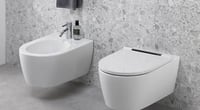
 Yellow Snowman |

 Alpha and Omega World |
 American Golf Course Travelogue |
 james kim |
  urban legend |
  coolriver |
  Good Neighborhood, Wealthy District Information |
  Ro Ro Car |
  Amber H |
  new sugar |
  Palm 1000 |
  loran |
  donutfield |
  Tennis City |
  sunny7 |
  Questions about firearms while living in America |
  Shoot Me |
  mochifox |
  zucchini |
  Anna Life |
  Exciting FM Radio |
  pet dog |
  toodin |
  rosed |