
When moving to the South, you look at homes, school districts, and safety, but once you settle in, there's an unexpected inconvenience: pests.
Especially if you're not familiar with the creatures that thrive in the humid Southern climate, your first summer can be quite challenging.
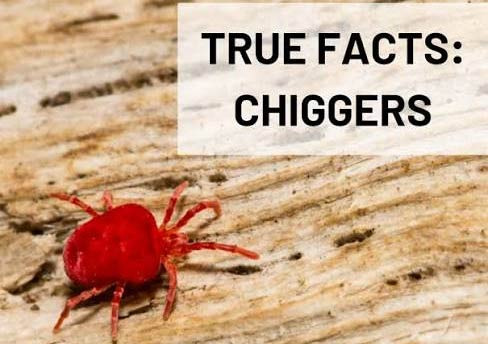
The most famous (or infamous) bug in Arkansas is the chigger. Commonly known in Korean as 모래진드기, these tiny mites are nearly invisible and live in grassy areas or bushes. Their bites can cause intense itching that lasts for days.
To prevent chigger bites, it's essential to wear long pants and long sleeves and apply insect repellent containing DEET during outdoor activities. It's also important to shower immediately after being outdoors. Mosquitoes are unwelcome guests found throughout Arkansas, especially thriving near rivers or wetlands during the summer. Arkansas has reported cases of West Nile Virus, so it's wise to take precautions against mosquito bites.
If your windows don't have screens, installing them is a must. Ticks are also common in Arkansas. In addition to the black-legged tick, which can transmit Lyme disease, the American dog tick can cause Rocky Mountain spotted fever. It's necessary to check your body thoroughly after outdoor activities.
Allergies are another realistic concern for life in Little Rock. Arkansas has a very high pollen season in the spring. The peak months of March and April see oak, pine, and grass pollen filling the air, making it difficult for those with allergies, who may experience sneezing, runny noses, and red eyes.
There's also a second peak in the fall. Using air purifiers and having antihistamines on hand can be helpful. Mold allergies can also be an issue in Little Rock's high humidity environment. Mold can easily grow in older homes or basements, potentially causing chronic respiratory symptoms. It's important to thoroughly check for signs of moisture or basements when looking for a home.
One endemic disease reported in the Southern United States is histoplasmosis.
This lung infection can occur when mold from soil contaminated with bird or bat droppings is inhaled. Most healthy individuals are asymptomatic or experience mild flu-like symptoms, but those with weakened immune systems should be cautious. Generally, with proper preventive measures, it's possible to live safely in this environment.
 Leonardo
 MelonHead








 Dragon Lee |
 Churros Train Conductor |
 Tora Tora |
 neroyo |
 nivex85 |
 US Home Buying Information Home Insurance |
 Esther 1983 |
 Arkansas Kim |

 Swift Falcon |
  venture |
  SPAM 101 |
  choi family |
  zoryan |
  cloud0 |
  SKy Face |
  wonder |
  productionblog |
  What can make money? |
  Oklahoma Hoya OK |
  prixon74 |
  Roman Pan |
  USALATU BLOG |
  Sunshine Blog |
  Minnesota Small Business |
  Strawberry Pancake Warrior |
  amolayo |
  korvon |