
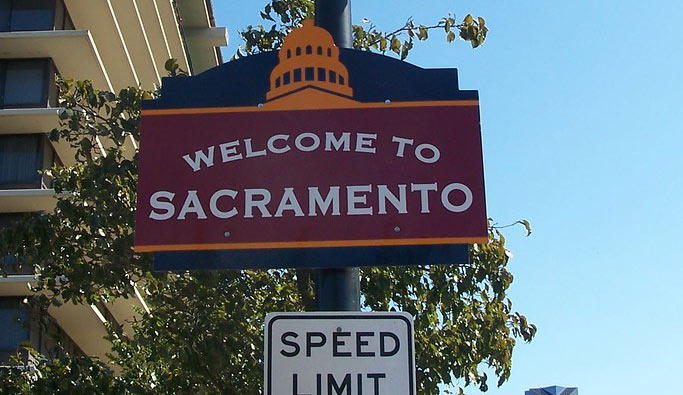
When considering a move to Sacramento, understanding the weather is a crucial first step.
The climate affects your entire lifestyle. We will summarize the perceived temperature, rainfall, and seasonal characteristics based on data.
Sacramento has a Mediterranean climate. Summers are hot and dry, while winters are mild and wet. This climate pattern is similar to coastal cities in California, but because Sacramento is located in an inland basin, temperature extremes are more pronounced. It gets hotter in the summer and experiences denser fog in the winter compared to coastal cities.
Looking at seasonal temperatures, spring (March to May) is Sacramento's peak season. Temperatures remain comfortably between 65 and 75 degrees Fahrenheit, and rainfall gradually decreases as flowers bloom. The flowers in Capitol Park are in full bloom, making it the best season for outdoor activities. Summer (June to September) is hot. Temperatures rise starting in June, peaking in July. The average high temperature in July is around 95 degrees Fahrenheit, with several days exceeding 100 degrees. Air conditioning is a necessity, not a choice. The heat continues into August, and it begins to cool down in September. Fall (October to November) becomes pleasant again.
Temperatures stabilize in the 70s to 80s Fahrenheit, and the leaves start to change color. October is the second-best month for outdoor activities in Sacramento. Winter (December to February) is mild but has a lot of rain and fog. The average high temperature in January is around 54 degrees Fahrenheit. Snow is rare. Tule Fog, a dense radiation fog, frequently occurs from December to February, significantly reducing visibility, which requires caution while driving.
Rainfall data is also important. Sacramento receives about 18 inches (457mm) of rain annually. Most of this rain falls between November and March. There is almost no rain from June to September, making these four months effectively a dry season. This characteristic increases the risk of wildfires in the surrounding mountains. While the total rainfall is not insignificant, it is highly concentrated. Conversely, during the winter rain season, the water levels of the Sacramento River and American River rise, sometimes leading to flood warnings.
Sunshine hours are another characteristic of Sacramento. The city enjoys an average of over 250 clear days a year, ranking among the top in major U.S. cities. This is a significant advantage for those who enjoy sunny environments. However, UV rays are also strong, so sunscreen should be used year-round, not just in summer.
Air quality is another factor to consider alongside the weather. Sacramento can experience poor air quality during the summer and fall wildfire seasons. If smoke from wildfires in the surrounding mountains enters the Sacramento basin, the AQI can rise sharply. Additionally, the Sacramento Valley has smog issues. Pollutants from vehicle emissions and agricultural activities can become trapped in the basin topography, leading to increased ozone levels on certain days. Those with asthma or respiratory conditions should take this into account.
Evaluating Sacramento based on weather, it is favorable for those wanting to avoid winter. There is no snow and no severe cold. However, the summer heat is unavoidable. Living without air conditioning is not feasible. Spring and fall are the most pleasant seasons in Sacramento. For those who enjoy outdoor activities, it is essential to make the most of these two seasons.
 Stone94
 TexasLoneStar
 joyfulcitybuilder2006





 parlon |
 Ohio Ohayoung Hello |
 Coding Elf |
 Dragon Lee |
 gravity |
 Infinite Style |
 Living Economy Information Blog |
 Koreab Date |
 Only Dentalbay |
 US Home Buying Information Home Insurance |
  torvik |
  charger |
  holy cheese |
  Pleasant K |
  Rolling Joy Life |
  lidus |
  French Macarons |
  Central Intelligence Agency Deputy Director |
  ATL Power 1 |
  MP Forever |
  Soy Angelino |
  San Jose Pop |
  Pronunciation Yo |
  hamooo |
  Entip |
  Yavrix 92 |
  cherry cherry |
  Coastal city |
  There Are Such Things in the World |
  Mazinger Z Rocket Punch |