

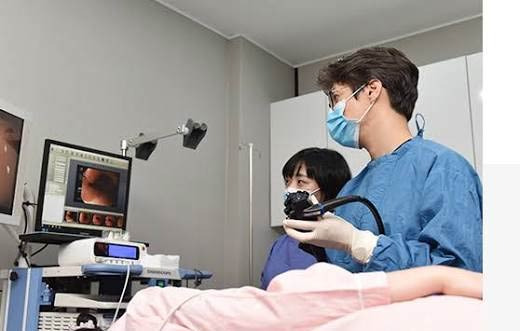
Many people think that if they have health insurance in the U.S., they can get all cancer screenings for free, but that's not entirely accurate.
What insurance companies focus on is preventive screenings for asymptomatic individuals, known as cancer screening. Depending on age, gender, and risk factors, many insurance plans that comply with ACA regulations allow these screenings without any out-of-pocket costs. Medicare also covers several cancer screenings.
The most common example is breast cancer screening. Women are recommended to have regular mammograms once they reach a certain age. Women with a family history or high genetic risk may be advised by their doctors to undergo additional tests like MRIs, but these additional tests may not follow the same coverage rules as standard free screenings.
Cervical cancer screenings typically include the Pap test and HPV test. These are often recommended periodically for women in certain age groups and are frequently covered as preventive care by insurance. The frequency of these tests varies based on age, the type of test, and past test results.
Colorectal cancer screening is important for both men and women. For average-risk individuals, screening usually begins at age 45. There are various methods available, including colonoscopy, at-home stool tests like FIT, and stool DNA tests. Colonoscopy has the advantage of a longer screening interval, but it can also allow for the immediate removal of polyps, making it a popular choice.
Lung cancer screening is not available to everyone. It is primarily recommended for high-risk individuals aged 50 to 80 who have a significant smoking history and are either current smokers or have recently quit. It is not typical for a 55-year-old who has never smoked to undergo annual lung CT scans based on general preventive screening guidelines.
Prostate cancer screening is a bit more complex. The PSA blood test is commonly discussed among men, but it is not necessarily a test that all men should have annually. Decisions are often made in consultation with a doctor, considering age, family history, race, and personal risk factors. A high PSA does not always indicate cancer, and there is also the potential for unnecessary biopsies or treatments during the testing process.
Many people ask why cancers like pancreatic, liver, and ovarian cancer are not included in routine screenings. This is because not all cancers have proven effective screening tests for the general population. For pancreatic cancer, regular CT or MRI scans are not recommended for individuals at average risk. Those with a family history or specific genetic mutations may be monitored under a specialist's guidance through separate surveillance programs.
Liver cancer also does not have a standard screening method for everyone. Regular monitoring tests like ultrasounds are conducted for high-risk groups, such as those with cirrhosis or certain chronic liver diseases. Similarly, routine CA-125 blood tests or ultrasounds for ovarian cancer are not generally recommended for asymptomatic women at average risk.
Another confusing aspect is that the billing process for free preventive screenings and tests conducted due to symptoms can differ. For example, undergoing a colorectal cancer screening as part of a scheduled preventive measure without symptoms may be treated differently by insurance than a colonoscopy performed for diagnostic reasons due to abdominal pain or blood in the stool.
Additionally, having insurance does not automatically mean everything is free. Costs can vary based on the type of insurance, age, frequency of tests, and whether the provider is in-network, and there may be additional charges for follow-up tests, anesthesia, or biopsies. There are also differences in specific conditions between Medicare, employer insurance, and ACA Marketplace plans.
Ultimately, the foundation of cancer screening in the U.S. is not about performing a full-body CT scan to detect all cancers at once. It is more about conducting established tests for cancers that have proven effectiveness starting at ages when risk increases. Therefore, when getting a health check-up, it is more practical to ask your primary care physician about the specific cancer screenings appropriate for your age, family history, and smoking history rather than simply saying, "Please do a cancer screening."
 BlueRiver75
 ShrimpPower
 SunSparkle
 StrangeDogWlk





 Diana Blues |

 Dragon Lee |

 Churros Train Conductor |

 Tora Tora |

 neroyo |

 Way to easy |

 seouljung |


 Florida Gario |

 hot chocolate |
 SODA MAKER |
 james kim |
 All About Cars |
 lomira98 |
 calmbridge |
 oneonly |
 Brighto |
 racuse |
 Total Beauty |
 crystal |
 Good Hotels |
 raspberry7 |
 Que que |
 Well Done Sir |
 dance dance |
 sweetpepe |
 vegas mom |
 Olivia's Blog |
 cathywhite |