


Boston is a city with world-class competitiveness in the healthcare sector.
It is home to prestigious medical schools, research institutions, and large hospitals, making it one of the first places where new treatments and medical research begin. This is why critically ill patients from other states in the U.S., as well as Europe, the Middle East, and Asia, seek treatment in Boston.
In particular, Boston's medical competitiveness is not just about the number of hospitals. Several teaching hospitals closely collaborate around Harvard Medical School to train doctors and conduct clinical research simultaneously. Many of the medical institutions that receive the most funding from the National Institutes of Health (NIH) are concentrated in Boston, and the biotech industry and pharmaceutical companies are also growing together, forming a world-class medical cluster.
The most representative hospital is Massachusetts General Hospital (MGH). Established in 1811, it is one of the oldest general hospitals in the U.S. and serves as a primary teaching hospital for Harvard Medical School. It consistently ranks among the top hospitals in the U.S. and is particularly renowned for its cancer treatment, cardiovascular diseases, neurosurgery, neuroscience, gastrointestinal diseases, and mental health.
MGH also excels in research. It actively invests in the development of future medical technologies, including new cancer treatments, artificial intelligence in healthcare, and gene therapy, and it is a hospital where doctors from around the world come for training. Located near the Charles River and Beacon Hill, it is easily accessible from downtown Boston.
Another world-class hospital is Brigham and Women's Hospital (BWH). This hospital is also a key teaching hospital for Harvard Medical School and is highly regarded in the fields of cardiovascular diseases, women's health, orthopedics, rheumatology, and organ transplantation.
It is particularly recognized for its high-level surgeries, such as heart surgery and kidney and liver transplants, and many patients are transferred from other states for high-risk pregnancies and maternal care. As a research-focused hospital, it actively conducts clinical trials and new drug development.
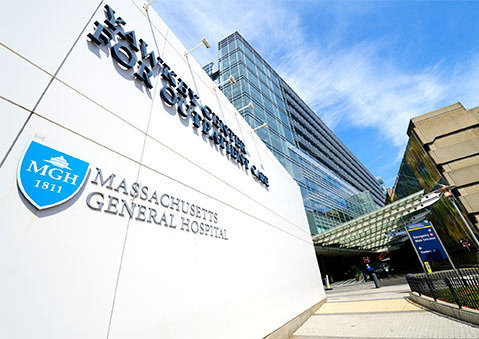
Currently, MGH and BWH are part of an integrated healthcare network called Mass General Brigham.
Previously operated under the name Partners HealthCare, they now work closely within a single healthcare system, allowing for efficient patient information sharing and collaboration among specialized medical staff. Patients can receive coordinated care between hospitals when necessary, enhancing treatment efficiency.
In the field of pediatric care, Boston Children's Hospital is rated among the best in the world. It has maintained a top position in the rankings of U.S. children's hospitals for a long time and specializes in treating complex conditions such as congenital heart disease, pediatric cancer, rare genetic disorders, and pediatric neurological diseases.
This hospital is also a teaching hospital for pediatrics at Harvard Medical School, and children from across the U.S. and abroad come here for treatment. It often handles rare diseases that are difficult to treat in other hospitals, maintaining its reputation as a world-class pediatric specialty hospital.
Another notable hospital in Boston is Beth Israel Deaconess Medical Center, which is highly regarded for its treatment of heart diseases, cancer, diabetes research, and liver diseases, and is actively involved in medical data and digital health research.
Additionally, Tufts Medical Center plays a significant role in trauma care, organ transplantation, pediatric care, and rare diseases, while St. Elizabeth's Medical Center is one of the leading hospitals providing comprehensive medical services to local residents.
Interestingly, most of these hospitals are located in close proximity to each other. The Longwood Medical Area has a concentration of large hospitals, research institutions, and medical schools, and has grown into one of the largest biomedical research hubs in the world. New clinical trials and medical research are conducted here daily, with numerous researchers and healthcare professionals working together.
One of the biggest advantages for residents of Boston is the ability to access these world-class healthcare services nearby.
In fact, Korean doctors and researchers are actively working in these hospitals. Professors, specialists, and researchers from Korea are consistently employed at Harvard Medical School and various hospitals, playing important roles in medical research and patient care.
Ultimately, Boston is not just a city with many hospitals; it is a global medical hub where healthcare, research, and education are interconnected. Living in Boston means having access to world-class medical infrastructure in everyday life, from treatment for serious illnesses to cutting-edge medical research.
 ThirstyShin
 MayoWaterPark

 LIZ Legal Information Blog |
 Karina's Blog |
 Jimbeam 88 |
 Taco Bell Candy Note Blog |
 Splendid Mission |
 NO CAP LIFE |
 tiramisu |
 Tart Tart |
 Investment Information News Update |
 Always Dreaming of Big Success |
  NEXT ROUND |
  Helpful Life Stories |
  Healthy Local Fresh Information |
  molten |
  Way to easy |
  intact |
  happy 9 |
  Park M.Y. |
  tredon |
  Poppin News |
  metsoo |
  dewyo |
  Casa Mia |
  Asparagus Blog |
  dorange |
  hiddenkong |
  some fame |
  Godory Life |
  Lime Juice |