
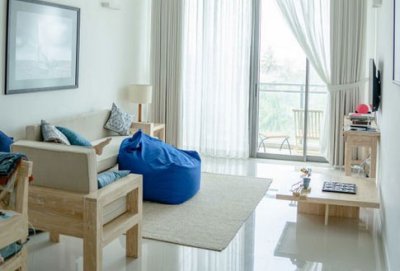
In the past, it was common to buy older complexes from the 1970s in San Jose, remodel the kitchens and bathrooms, and rent them out at a stable price below market value. Checking if this approach still works reveals that the supply of new constructions in San Jose has significantly decreased, making remodeled older buildings even more competitive.
The current average rent in San Jose is around $3,200, making it the third highest in the nation. The rent increase rate is expected to be 4.3% in 2026, which is the highest among major U.S. cities. CoStar has also projected that rents could rise between 6% and 7% over the next year.
Looking at the supply of new constructions helps to understand this trend. Currently, there are 2,427 units under construction, which is only about 1.5% of the existing inventory. It is estimated that around 600 new market-rate units will come onto the market in the next 12 months. Complex projects like those in San Jose typically take 18 to 24 months just for permitting, so the supply of new constructions is likely to remain thin until 2027 or 2028.
There are reports that vacancy rates have dropped to historic lows, with nine people competing for each vacant unit. In such a market, whether new or remodeled, the landlord's advantage is likely to continue.
There are three main factors to consider. First is whether and when remodeling was done. The risk of future maintenance can vary greatly depending on whether the plumbing and electrical systems were updated or if only the appearance was changed. Second is the structure of management fees; new condos often have higher HOA fees due to more community amenities compared to older buildings. Third is whether there is a construction warranty; for new constructions, it's worth checking if there is a warranty remaining that lasts between one and ten years.
Nationally, new constructions are known to carry a rent premium of about 10% to 20% compared to older buildings, but in a market like San Jose where new constructions are scarce, well-remodeled older buildings can sometimes be priced similarly to new ones.
As mortgage rates remain high, there is a tendency for more households to choose renting over buying. In a market like San Jose, where new supply is limited, this trend could further increase rent pressure.
San Jose has a steady demand for both new and older buildings due to the influx of IT professionals from Silicon Valley. Many people consider commuting distance and company location when choosing neighborhoods, which leads to significant rent variations even within the same city.
When looking into school districts preferred by Korean families, it's advisable to refer to ratings from GreatSchools or Niche, but since school district boundaries often change, it's necessary to verify the assigned school for the specific address before signing a lease.
Families moving from out of state should also consider property taxes. Under Proposition 13, the purchase price at the time of buying becomes the basis for property taxes, which can only increase by a maximum of 2% annually thereafter. Therefore, long-time owners of older buildings often have a lower tax burden compared to owners of newly purchased properties.
Families relocating from other states should also check the rent stabilization ordinances in Santa Clara County, where San Jose is located. The applicability of these ordinances can vary based on the age of the building or the number of units, so it's important to determine whether older properties fall under these regulations beforehand.
For investors looking for rental income, the low vacancy rates in this area indicate stable rental demand, but the purchase prices are also high, so it's essential to calculate the actual yield carefully. A realistic approach would be to assess the return on investment based on total investment costs, including remodeling expenses.
If the purpose is investment, one must also consider the risks that rental income and price appreciation can vary depending on market conditions.
This article is not investment or legal advice, and it is recommended to consult with real estate and tax professionals before making any agreements.
 blueseavibemaker1935
 HappyIsNear






 cheesepup |
 breezem |
 yentra |
 virex |
 vexon87 |
 Western US Medical Student Association |
 DOCTOR MED |

 Koreab Date |
 good thinking |
  Elastico |
  shaket |
  vionoo |
  chocolate |
  Whisper |
  Star Voyager |
  InDiGo |
  Rocky Mountains |
  Whoever It Is, I Don't Know |
  Why Not Me |
  Plastic Rose |
  Rice Shop Uncle BLOG |
  Victory 1988 |
  Gook Rule |
  Rowland Mama |
  Coco and Lulu |
  Baguette Blog |
  washington mom |
  yorvik12 |
  solvix18 |