

Recently, I toured a new development near Malta with a family considering a move to Albany, alongside some existing downtown apartments. The new development featured amenities from the lobby to a gym and lounge, and the representative explained that the structural warranty lasts for 10 years, while major equipment is covered for 2 years. In contrast, the existing downtown buildings had high ceilings and large windows that provided much better natural light, but the manager candidly mentioned that the boiler was over 25 years old and might need replacement soon.
The average rent in Albany is $1,739 as of 2026, which is a 3.24% increase from the previous year (RentCafe Albany Rent Report). Looking at new developments, the Grandeville at Malta offers one-bedroom units starting at $1,897, two-bedrooms starting at $2,286, and three-bedrooms starting at $3,525. New constructions like The Rise Downtown and Landmark Albany also have similar price ranges, indicating that new builds are definitely on the higher end compared to the Albany average rent.
In terms of mortgages, Albany has relatively lower sale prices compared to other areas in New York State, making it a more accessible market for first-time homebuyers. However, considering the unique property tax rates in upstate New York, the total monthly housing costs may be higher than what one might expect based solely on the sale price.
For investors looking for rental income, Albany is known for steady tenant demand due to its proximity to the state government buildings and college areas. New constructions require a larger initial investment but have lower maintenance and repair costs, while existing homes have lower purchase prices but may incur repair costs due to aging heating systems in winter.
Currently, there are about 299 newly constructed apartments available for rent in Albany (Apartments.com data). There is also an increase in small boutique listings, like 441 State Street on Downtown State Street, which have completely remodeled older buildings with new kitchens, bathrooms, and flooring, showing a compromise between new and existing homes through remodeling.
Nationally, new constructions often carry a rental premium of about 10-20% compared to existing homes (RentCafe, Apartment List New Construction Trends Report), and the prices of new developments in Albany seem to fall within this range. New constructions can reduce heating costs during the long winters typical of upstate New York due to modern insulation and smart home features, and builder warranties can alleviate concerns about major repair costs in the first few years of occupancy.
On the other hand, existing homes have unique charms that new constructions often cannot replicate, such as spaciousness and established neighborhood vibes, along with proven commuting routes. However, if there are systems like boilers or roofs that are over 20-30 years old, it's wise to check how soon they may need replacement.
Korean families looking in Albany often pay attention to school districts like Bethlehem or Clifton Park. While resources like GreatSchools or Niche can provide ratings, school district boundaries change frequently, so it's advisable to verify the assigned school for a specific address before purchasing.
Families moving from other states should note that property taxes in upstate New York may feel quite high compared to southern or western states. New constructions do not necessarily mean lower property taxes; in fact, reassessments can lead to higher taxes, so it's prudent to check the actual tax bill before closing.
Ultimately, the choice between new construction and existing homes often comes down to whether one prioritizes saving on winter heating costs or choosing a spacious, well-lit environment. This article does not constitute investment or legal advice, and it's recommended to consult with a real estate professional to review warranty and property tax conditions before finalizing any contracts.
 BeanWave
 HarleyDavis






 cheesepup |
 breezem |
 yentra |
 virex |
 vexon87 |
 Gold Bar |
 Entip |
 Tennis City |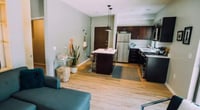
 Dolly |
 Springs Korea |
  nixon |
  mini hometown |
  Gleeee |
  MacMorningBlog |
  ASURA |
  Elastico |
  shaket |
  vionoo |
  chocolate |
  Whisper |
  Star Voyager |
  InDiGo |
  Rocky Mountains |
  Whoever It Is, I Don't Know |
  Why Not Me |
  Plastic Rose |
  Rice Shop Uncle BLOG |
  Victory 1988 |
  Gook Rule |