
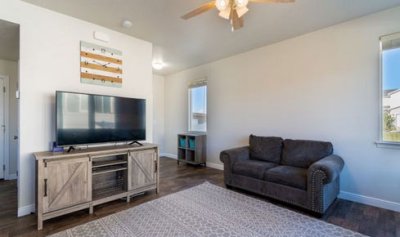
When talking to Korean families looking for homes in Manhattan, the first calculations they encounter are property taxes and HOA fees, or condo maintenance fees. I've seen many cases where families budgeted based only on the purchase price, only to have to revise their plans due to these two monthly expenses. If the budget is the same, it's important to first understand how new condos, co-ops, or older condos differ in this regard before continuing the discussion.
As of August 2026, the average rent in Manhattan is $5,673, which is a 4.92 percent increase from a year ago (RentCafe). Looking at unit types, studios average $4,252, one-bedrooms $5,621, and two-bedrooms $7,413. This average includes both new and old constructions, and an analysis by Multi-Housing News shows that within the same neighborhood, older buildings tend to have lower rents. For example, in Hell's Kitchen, units built before the war, or pre-war, are 18 percent lower than new constructions, while in the Upper West Side, they are 17 percent lower. The median age of residential buildings in Manhattan is about 90 years, with many buildings constructed during the population boom in the early 1900s still making up a significant portion of the market.
When it comes to property taxes, New York City condos and co-ops offer various exemption programs for owner-occupants, but the actual burden can vary significantly depending on the building type and assessment method. New condos often have high purchase prices, resulting in substantial tax amounts, while older co-ops may have lower purchase prices but include the building's overall property taxes and maintenance costs in their monthly fees, making them appear higher. This aspect can vary greatly between different buildings in New York City, so it's advisable to verify the exact figures before closing.
In terms of HOA fees, new buildings often have more amenities like doormen, fitness centers, and rooftop lounges, leading to higher monthly maintenance costs compared to older buildings (Bankrate HOA Guide). On the other hand, because they have the latest heating and cooling systems and insulation, utility costs for electricity and gas tend to be lower than for older buildings, and warranties from architects are also included. For families moving to New York from other states, it's safer not to directly apply the property tax rates and maintenance fee structures they were familiar with in their previous state, but to calculate based on New York City's unique system.
The strength of older buildings lies in space. With the same budget, you often get larger rooms, higher ceilings, and thicker walls in older buildings. Neighborhoods like the East Village or Greenwich Village have established markets where the rent difference between buildings from 1915 and those from 1930 is minimal. Conversely, in Manhattan, where there is limited land for new construction, new buildings are scarce, keeping overall rents at a high level.
For investors looking to earn rental income in New York, it's important to consider the differences between older buildings subject to rent stabilization regulations and newer buildings that are not. Many older buildings constructed before 1974 are bound by the annual decisions of the New York City Rent Guidelines Board regarding rent increases, making it difficult to raise rents freely, but they tend to have an easier time finding new tenants when vacancies arise. New buildings are often free from such regulations, allowing them to charge market rates, but this also means that the purchase prices are higher, making calculations for return on investment more complex. It's not guaranteed that market prices will continue to rise, and New York City's rental regulations change slightly each year, so it's advisable to check the latest regulations before signing a lease.
When considering preferred areas for Korean school districts, investors looking for rental income can compare the lower maintenance costs and stable tenant demand of older buildings with the lower maintenance burdens and warranties of new constructions for families preparing to live there. This article is not investment or legal advice, and it's recommended to consult a tax advisor or real estate professional before making any actual contracts.
 QUODUO
 WeatherNews







 cheesepup |
 breezem |
 yentra |
 virex |
 vexon87 |
 newyorker 101 |
 Things to Do to Buy a House |
 Living with a Consistent Heart |
 Moo Tang Clan |
 Poppin News |
  Gleeee |
  MacMorningBlog |
  ASURA |
  Elastico |
  shaket |
  vionoo |
  chocolate |
  Whisper |
  Star Voyager |
  InDiGo |
  Rocky Mountains |
  Whoever It Is, I Don't Know |
  Why Not Me |
  Plastic Rose |
  Rice Shop Uncle BLOG |
  Victory 1988 |
  Gook Rule |
  Rowland Mama |
  Coco and Lulu |
  Baguette Blog |