
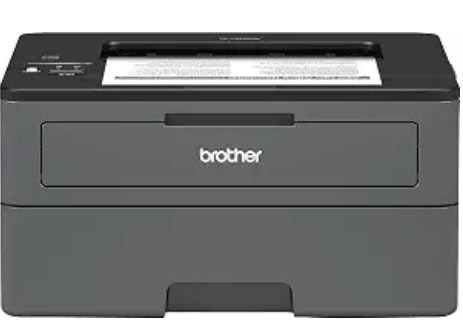
In the past, it was common to find laser printers on sale for $99 at electronics stores in the U.S.
If you waited for Black Friday, you could buy budget models from brands like HP or Brother for under $100.
I remember thinking at the time, "Laser printers last longer than inkjets, so it's definitely worth it" when I made my purchase.
However, these days, even budget laser printers often exceed $200, and models with wireless capabilities or duplex printing typically start around $250 to $300.
It's natural to wonder, "Why have laser printers become so expensive?"
Initially, I thought it might be due to Samsung exiting the printer business. Samsung sold its printer division to HP in 2016.
At that time, Samsung was quite competitive in the laser printer and multifunction printer market, especially known for good performance at a reasonable price, making them popular among small businesses and households.
While it's true that the exit of a competitor has somewhat reduced market competition, it's difficult to explain the current prices based solely on that.
A bigger reason is the increase in manufacturing costs. Since the pandemic, prices for components like semiconductors, motors, steel, and plastics have risen significantly, and shipping costs also surged for a while.
Another factor is the change in sales strategies. In the past, it was common to sell the printer body cheaply and make profits from toner, a strategy often referred to as the 'razor and blades' model. As a result, printers were sometimes sold for less than their cost.
However, these days, with enhanced security features and firmware managing the use of genuine toner, aggressive discounts on printer bodies have decreased.
Manufacturers are now looking to secure some profit from the printers themselves.
The market itself has also shrunk compared to before. The need to print paper documents has significantly decreased. Contracts are often handled with electronic signatures, and receipts are frequently received via email. At home, people are increasingly viewing documents on smartphones or tablets, leading to a decline in printer sales. When the market size decreases, production also drops, which ultimately raises prices.
That said, the advantages of laser printers haven't disappeared. They still have lower maintenance costs compared to inkjets, and toner doesn't dry out even if not used for months.
In the end, the reason laser printer prices now exceed $200 is not solely due to Samsung's exit but rather a combination of several factors. While the reduction in competition from Samsung has had some impact, the rise in raw material costs, increased logistics expenses, market contraction, and changes in manufacturers' profit structures are more significant causes.
If you remember the $99 laser printers, it's understandable that the current prices feel high. However, given the current market environment, it seems unlikely that we'll see such drastic pricing again anytime soon.
 KimchiCastle







 Texas Runner |
 Study Abroad Life Know-How Tips |
 Curry Dragon |
 US Regional Information Local News |
 Jellia Angel |
 Golf Club News and Information |
  COLO COLO |
 Your Curiosity Resolved |
 Univ Student |
  morixa |
  nero kim |
  USA Hyundai Kia |
  OC Real Estate Business Information |
  My Town My Way Blog |
  Splendid Mission |
  Yonori Nori |
  Unknown Dog Walk blog |
  Dingho and USA News |
  Enjoyable American Life Diary |
  Nevada Vegas UNLV |
  Sammy Beach |
  Nanana Nanana Nanana |
  UNI Lover |
  Sunny's Travel in America |
  Hawaiian Dooly Mom |
  My Love DS |
  AZ Road Master |
  Coastal city |