

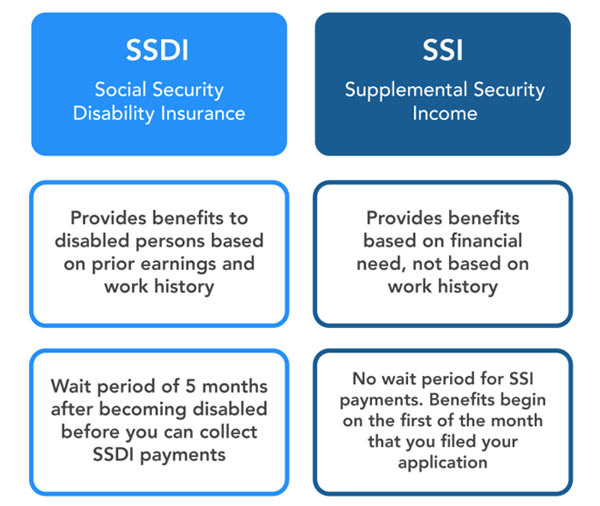
Many people who have lived in the U.S. for a long time still confuse SSA and SSI.
Among Koreans, it's common to mix phrases like "I receive SSI" and "I applied for SSA," but they are actually completely different programs.
The confusion arises because both are handled by the Social Security Administration, so their similar names can be misleading.
However, misunderstanding this can lead to incorrect applications or missing out on benefits.
In simple terms, SSA is a pension received from taxes paid while working, and SSI is a government subsidy for those in financial difficulty.
Think of it as having fundamentally different origins for how you receive them.
First, SSA, or Social Security pension, is based on the Social Security taxes paid throughout your working life.
Generally, you need at least 40 credits, which usually requires about 10 years of work to qualify for the basic benefits. If you earn a higher salary and work longer, your pension will also be higher later on.
The pension calculation is based on the highest 35 years of income from your entire work history, not just the most recent years, so those who have worked steadily from a young age have an advantage.
To receive the maximum pension by 2026, you must earn above the Social Security tax cap (which is $184,500 in 2026) for about 35 years and delay applying for benefits until age 70.
If you meet all these conditions, you can receive up to $5,181 per month.
Conversely, if you apply as early as age 62, you can receive a maximum of $2,969 per month, and if you apply at full retirement age, you can receive up to $4,152 per month.
On the other hand, there is no set amount for a "minimum pension." Someone who barely meets the 40 credits and has very low income might receive a pension of only a few hundred dollars per month.
SSA is not just about your own pension. It includes spousal benefits, disability benefits (SSDI), and survivor benefits, making it a comprehensive program.
Additionally, when you turn 65, most people can also access Medicare health insurance. Therefore, SSA is considered one of the most important sources of retirement income.
In contrast, SSI is completely different in nature. It assesses how difficult your current living situation is, rather than how much work you have done. If you have little to no work history but meet certain income and asset criteria, you can apply. The primary targets are seniors aged 65 and older or individuals with disabilities.
The most common misunderstanding here is regarding the asset limits. SSI considers bank balances, cash, and investment assets as part of the assessment. Generally, single individuals have an asset limit of about $2,000, while couples have a limit of about $3,000, but there are also excluded assets like your home or car, and the income calculation is not straightforward. Therefore, it's not advisable to conclude that you don't qualify just based on the numbers.
Health insurance is also different. SSA beneficiaries primarily use Medicare, while SSI beneficiaries usually qualify for Medicaid (known as Medi-Cal in California). Although the names are similar, the operational methods and target groups are entirely different.
Sometimes, people say, "If you receive SSA, you can never receive SSI," but that's not necessarily true. If the SSA pension is too low to cover living expenses, SSI may supplement the income if certain conditions are met. However, this does not apply to everyone, and you would need to undergo income and asset assessments again.
Another point to be cautious about is that SSI has restrictions on long-term stays abroad. Generally, if you stay outside the U.S. for more than 30 days, payments may be suspended. Additionally, if you regularly receive financial support from family or children or fail to report changes in income and assets, your payments may be reduced or subject to recovery. In contrast, SSA payments can often continue while abroad, but this can vary based on country-specific regulations and individual status, so it's essential to check.
In summary, SSA is "a pension received from taxes I paid while working," and SSI is "a government subsidy for those in financial difficulty."
Although the names are similar, the criteria and benefits are different. If you are approaching retirement or looking into your parents' pensions, it's important to accurately distinguish between the two programs and prepare accordingly.
 HyundaiKia
 CloudLink
 vibeseawalker1998







 zentar |
 seouljung |
 AliAluAlo Blog |
 excel |
 orvik90 |
 vegas mom |
 korvix |

 neroyo |
 Home Run King Byeon Seung-yeop Blog |
  Vermont Capt |
  Softy |
  solid90 |
  waltz |
  Ohio Ohayoung Hello |
  parlon |
  Shoot Me |
  Michigan Enthusiast |
  festive |
  You Turn Me On |
  Supplemental Security Income (SSI) Information |
  Sams Market |
  ansdal |
  VVV 80 |
  BIODOCTOR NEWS |
  Gold Bar |
  Tamfa Fan |
  Jenny's Mom blog |
  Karina's Blog |
  Best Frozen Yogurt |