

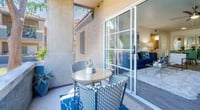
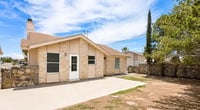
Following the case of a family that purchased a four-bedroom single-family home near Chandler a few years ago and has held onto it until now provides a clear view of the trends in Phoenix real estate. Comparing the purchase price from when interest rates were lower than they are now to the current market value shows fluctuations, but ultimately, holding onto the property long-term has proven to be more stable. For families considering entering the Phoenix market now, it's important to first examine the insights this case offers.
According to Zillow data as of June 30, 2026, the average home value in Phoenix is $410,222, which has decreased by 2.1% over the past year. In contrast, the median sale price reported by Houzeo is $458,000, down 1.51% from the previous year, while Homes.com reports a median sale price of $457,250 as of June, reflecting a 1.6% increase year-over-year. This indicates that even within the same market, the metrics are showing mixed signals, as Zillow uses predictive indices while others reflect actual transaction prices. Realistically, it seems we are currently in a phase of gradual adjustment.
The inventory situation clarifies the picture further. According to Redfin data, as of July 2026, the average time to sell a home in Phoenix is 52 days, similar to last year's 53 days, but active listings have increased by about 27% year-over-year, reaching 7,421. With a noticeable rise in inventory, the market is shifting more in favor of buyers. This means there is more room for negotiation, so families considering a purchase now should attempt to negotiate not only the price but also closing costs and repair expenses.
In terms of long-term outlook, the most significant variable is TSMC's semiconductor investment. Since starting its first investment in Phoenix in 2020, TSMC has increased its scale to about $26.5 billion, and in July 2026, it announced plans for additional fabs for processes below 2 nanometers. The industry anticipates that this investment will create over 20,000 jobs in Arizona over the next decade, with a net influx of population projected to reach 214,100 from 2023 to 2027. However, there are concerns about delays in securing skilled labor, so it remains to be seen how quickly the employment effects will translate into housing demand.
In the rental market, Zumper reports that the average rent as of August 2026 is $1,679, down 4% from the previous year. When considering purchase prices and rents together, it is not easy to find properties that meet the so-called 1% rule, but suburban areas like Chandler and Gilbert, which are particularly favored by Korean families due to their strong school ratings, are known to have relatively low vacancy risks. However, school district boundaries change frequently, so it is advisable to check the assigned school for the specific address before purchasing.
For families moving from states with high tax rates like California, Arizona's property tax system may feel relatively lighter, but since assessment methods and tax rates vary by county, it is safer to check the local tax authority's information before making a purchase. Mortgage rates, according to Freddie Mac, are maintaining around 6.6% for a 30-year fixed loan, which means that existing homeowners who secured loans during the low-rate period are still delaying sales, contributing to the slow recovery of inventory.
If a family is considering living in the area, it is better to assess how many years they plan to stay rather than simply comparing renting and buying. If the intended residence period is short or there is a possibility of moving in the future, buying may not always be advantageous when considering closing costs and agent fees upon selling. Conversely, if there are plans to settle for a long time, the current increase in inventory could actually be a good time to leverage negotiation power. For families just arriving from Korea and preparing to settle down, obtaining pre-approval for a loan can make decision-making much easier when viewing properties.
Ultimately, the strategy to focus on in the current Phoenix market is an approach based on long-term holding rather than short-term price gains. It is advisable to calculate the cap rate and cash flow to gauge returns against actual investment capital, and to check for excessive leverage or vacancy risks in advance. This article does not constitute investment or legal advice, and it is recommended to consult with a professional before entering into any contracts.
 McMorning
 SweetRiver




 Premium Gas Camp |
 CA Real Estate |
 cheesepup |
 breezem |
 yentra |
 Kitchen Ideas |
 Gimmi207 Blog |
 USA East News, Information |
 Young Kim |
 Things to know |
  Let's Be Like a Salt-like City Person |
  Belgray Miscellany |
  sweetvan |
  Augusta Univ |
  Round and Round Children's Song Kingdom |
  butter 90 |
  Lando Mao |
  Washington Denzel DJ |
  LIZ Legal Information Blog |
  vegas mom |
  Sandiego Auntie |
  TEXAS Fishing Boat |
  AUTO OK |
  aaoaa |
  Florida King |
  Encyclopedia of New York and Surrounding Areas |
  Study Abroad Life Know-How Tips |
  Conflite Teacher |