

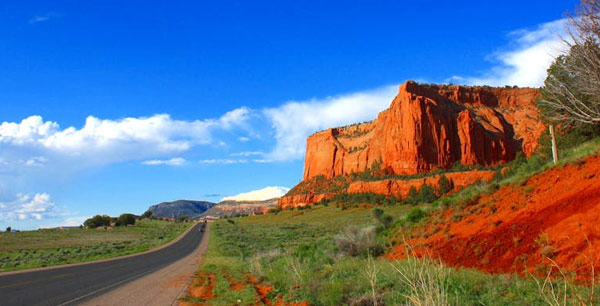
The term "Adobe" primarily refers to the geographical and cultural background associated with adobe architecture, which originates from the architectural and residential styles of the Southwestern United States and Northern Mexico. "Adobe" originally refers to bricks made from a mixture of mud and building materials (sand, clay, water, straw), serving as both a building material and a term describing the unique architectural style of the region.
The adobe region encompasses a broad area that includes the Southwestern United States, such as New Mexico, Arizona, Texas, and California, as well as Northern Mexico. This area has been influenced since the Spanish colonial period, developing a unique architectural style that combines Spanish colonial architecture with indigenous culture.
Adobe architecture is characterized by thick walls and flat roofs, with earthy or reddish brick colors. It is designed to adapt to strong sunlight and extreme temperature changes. The thick walls provide excellent insulation, blocking heat during the day and protecting against the cold at night.
Adobe architecture features the following characteristics:
- Thick earthen walls: Most buildings are constructed with adobe walls made like bricks.
- Flat roofs: A style commonly seen in Southwestern architecture, practical and suitable for environments with little rainfall.
- Use of natural materials: Construction utilizes mud, straw, water, and sand that are readily available in nature.
- Interior courtyards: Traditional adobe homes often include a central courtyard, designed to block outside heat and wind while allowing for good ventilation.
Adobe architecture is an important architectural style influenced by both the Spanish colonial era and indigenous peoples. This style originated from traditional building methods used by Native Americans and later combined with Spanish architectural styles during the colonial period. The region is particularly known for traditional homes in Spanish-influenced Native American villages, closely related to their way of life.
The adobe architectural style is especially prominent in several cities in New Mexico, Arizona, and Texas, with the most famous cities including:
Santa Fe, New Mexico: Santa Fe is a city that exemplifies adobe architecture, with most buildings constructed in the adobe style. The historic streets and buildings of Santa Fe reflect 17th-century Spanish colonial architecture and indigenous influences.
Albuquerque, New Mexico: Albuquerque is also a city with a strong tradition of adobe architecture, where many shops and homes are built in the adobe style, significantly impacting the region's culture and history.
Tucson, Arizona: The Tucson area in Arizona is famous for its adobe architectural style, particularly with buildings that combine traditional Spanish colonial architecture and indigenous culture.
Parts of Texas: Adobe architecture can also be found in the southern and western regions of Texas. Cities like El Paso have many buildings remaining in the adobe style.
The adobe region encompasses a wide geographical area that includes the Southwestern United States and Northern Mexico, with adobe architectural style representing the traditional building style of this region. Due to its design using natural materials suited to the climate, this architectural style continues to be used in many areas today.







 Korean Mom |
 novapixel |
 Peter Pan Pet |
 horse |
 Sunset Oregon |
 Kitchen Ideas |
 Toaster Pizza Magic Show |
 The Long Shot |
 Arizona AZ Cowboy |
 Tonky |
  viroma |
  cookie |
  Live and that's it |
  Alright Twain |
  eatontown blog |
  HAWAII Korean Church News |
  Amore |
  linex |
  Balancework |
  laro90 |
  MEDBIO American Doctor Blog |
  SWAT TEAM BLK |
  DREAM BIG |
  frostbite |
  330 Forever My Love |
  El Dorado |
  dralix58 |
  Gorama Round |
  Skydiving |