
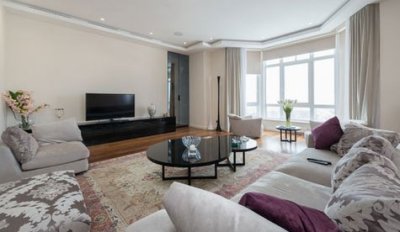
A family preparing to move from another state to Phoenix encountered the first challenge of choosing between new and established properties: the price difference. Even though both had two-bedroom layouts, the rent for a complex built within the last two years was over $200 higher per month than for a complex that had been around for more than 20 years.
The family compared two specific properties. One was a complex built three years ago, featuring indoor parking, a fitness room, and a package storage area, while the other was a complex from the 1990s, which had basic amenities but noticeably larger room and living space. Ultimately, they realized that just looking at the rent numbers wouldn't provide a complete answer, so they decided to also consider the monthly maintenance fees and the potential for increases upon renewal.
According to data compiled by RentCafe for 2026, the average rent for apartments in Phoenix is $1,483, which is a 2.56 percent decrease from the previous year. In the context of the overall market adjustment, it is important to examine how the prices of new versus established properties are diverging.
Interestingly, over 75 percent of the new units supplied in Phoenix in recent years have been classified as lifestyle class, which is considered upscale (according to azbex.com). With a record number of new constructions flooding the market, vacancy rates have increased, leading smaller established property landlords to set rents lower than new constructions to attract tenants (according to phoenixnewtimes.com).
The advantages of new constructions remain clear. Insulation and windows are often built to the latest standards, resulting in lower heating and cooling costs compared to established properties, and smart home features and warranties ranging from one to ten years are commonly included (according to nar.realtor and angi.com). In regions like Arizona, where summer cooling costs are significant, this energy efficiency difference translates into noticeable savings on monthly maintenance fees.
On the other hand, established properties often have larger square footage and well-established landscaping, contributing to a stable neighborhood atmosphere. Areas preferred by Korean families are mostly located in older developed regions, so for families prioritizing school districts, the options for established properties naturally widen. However, since school district boundaries frequently change, it is advisable to verify the assigned school for a given address using GreatSchools or state education department resources before making a purchase or signing a lease.
New complexes with well-equipped community facilities often have higher HOA fees reflected in their maintenance costs due to amenities like pools, gyms, and concierge services (according to bankrate.com). Conversely, established properties over 25 years old may face upcoming repairs for major items like plumbing or roofing, which could lead to unexpected costs later, even if the current rent is lower (according to nerdwallet.com).
If considering a purchase, property taxes should also be reviewed. New constructions may have higher initial property taxes based on their purchase price, which can vary by county. For investors looking for rental income, it is realistic to consider that the initial premium of new constructions may lower vacancy risks but could also suppress overall returns.
During periods of high mortgage rates, this weighing of options becomes even more critical. When the burden of principal and interest payments is significant, the savings from maintenance fees in new constructions can feel substantial, and conversely, it may be safer to experience the neighborhood by renting first rather than rushing into a purchase. For those newly immigrating from Korea and selecting their first settlement, approaching this with a mindset to minimize trial and error seems like a practical choice.
Ultimately, whether new or established properties are the right choice in Phoenix depends on budget, duration of stay, and priorities regarding school districts. This article does not constitute investment or legal advice, and it is recommended to consult with real estate professionals, tax advisors, and, if necessary, attorneys before proceeding with any contracts or purchases.
 Scrambled
 NightMoonPop





 cheesepup |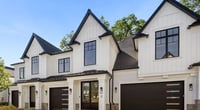
 breezem |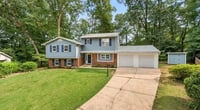
 yentra |
 virex |
 vexon87 |
 Gimmi207 Blog |
 Kitchen Ideas |
 Desert King |
 business lim |
 Young Kim |
  Springs Korea |
  nixon |
  mini hometown |
  Gleeee |
  MacMorningBlog |
  ASURA |
  Elastico |
  shaket |
  vionoo |
  chocolate |
  Whisper |
  Star Voyager |
  InDiGo |
  Rocky Mountains |
  Whoever It Is, I Don't Know |
  Why Not Me |
  Plastic Rose |
  Rice Shop Uncle BLOG |
  Victory 1988 |
  Gook Rule |