

Recently, I looked at two listings that came out in Augusta side by side. One was a newly completed 1-bedroom unit in a new development, while the other was a similar bedroom configuration in an older building. The rent difference was nearly $200, but the actual square footage was larger in the older unit. When looking at just the numbers, it can be hard to determine which option is more advantageous at a glance.
The average rent in Augusta varies slightly depending on the source, but according to Steadily, it is $1,230 per month, which is a 1.3 percent increase from the previous year. By unit size, studios average 477 square feet at $1,017, 1-bedrooms are 708 square feet at $1,090, 2-bedrooms are 1,024 square feet at $1,259, and 3-bedrooms are 1,308 square feet at $1,558.
The average age of rental buildings in Augusta is 33 years, and about 40 percent of them have been built since 2000. This means that less than half of the market is still made up of older units. New developments are limited in supply, and if demand concentrates on a specific property, rents can rise quickly.
The advantages of older units include larger square footage and established neighborhood infrastructure. The routes to schools, grocery stores, and hospitals have been tested over many years, and the landscaping has matured with time. However, if plumbing, roofing, or heating and cooling systems are nearing replacement, unexpected repair costs may arise, which should be considered in advance.
New constructions often feature the latest insulation materials and smart home systems, which tend to result in lower cooling costs in the summer and heating costs in the winter compared to older units. Many come with builder warranties, so if there are equipment failures, the initial years are less burdensome. However, if the new construction is in the form of condos or townhouses, community facilities like pools and gyms often lead to higher HOA fees compared to older units.
The atmosphere in Augusta varies significantly between the Evans and Martinez areas, which are popular among Korean families, and the downtown area. If school districts are a priority, it's advisable to refer to GreatSchools ratings, but keep in mind that school district boundaries change frequently, so it's best to verify the assigned school for the specific address before signing a lease.
Families moving from out of state should note that Georgia's property tax and insurance systems may differ from their previous residence. Georgia offers a Homestead Exemption that allows for tax deductions on one's primary residence, but the criteria vary by county, so comparing simply based on the previous state may overlook important details.
Augusta is a city that straddles the Georgia-South Carolina border, so many tenants compare new developments across the river in South Carolina. The two states have different property tax rates and sales tax structures, so comparing just the rent can lead to missing parts of the overall cost of living. Regardless of where you settle, it's important to consider commuting distances and tax structures together.
Military-related demand is also a characteristic of the Augusta market. The area near Fort Gordon has a steady rental demand from military families who move frequently, so both new and older units are known to have short vacancy periods. If investing, it's worth considering this regional demand base.
The difference in insurance costs cannot be ignored. Georgia is not directly affected by hurricanes, but summer thunderstorms and hail damage are common, which can lead to higher insurance rates for older roofs. New constructions, using the latest materials and building standards, may receive discounts from insurers, so getting a quote from an insurance company before signing a lease or purchase can be a good idea.
Data comparing electricity costs by household shows that Augusta's summer cooling demand lasts from May to September, which is longer due to the characteristics of the southern Georgia region. A longer period means that older buildings with lower cooling efficiency may accumulate larger differences in electricity costs. Checking the insulation and window conditions before signing a lease can lead to practical savings.
From an investment perspective, new constructions may rent out quickly initially, but if similar new units continue to be built nearby, competition can arise. Older units tend to secure stable rental demand more easily, but there is a burden of continuously monitoring for major repairs. This article does not provide investment or legal advice, and it is recommended to consult with professionals before making any agreements.
 BurningTruck
 BananaSonata








 cheesepup |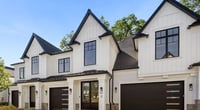
 breezem |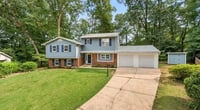
 yentra |
 virex |
 vexon87 |
 Anova US Beauty Information |
 Carolina border |


 vionoo |
  chocolate |
  Whisper |
  Star Voyager |
  InDiGo |
  Rocky Mountains |
  Whoever It Is, I Don't Know |
  Why Not Me |
  Plastic Rose |
  Rice Shop Uncle BLOG |
  Victory 1988 |
  Gook Rule |
  Rowland Mama |
  Coco and Lulu |
  Baguette Blog |
  washington mom |
  yorvik12 |
  solvix18 |
  HVAC will prosper |
  mortrix |