
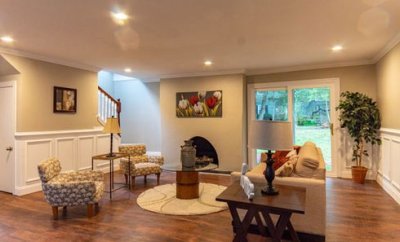
Many investors looking into Portree condos assume that high rents will naturally lead to good cash flow. While this is advantageous, the high rent, combined with purchase prices, property taxes, and rent control, can make calculations more complicated than expected.
The average rent in Portree, according to RentCafe data from August 12, 2026, is $2,877 per month. While this rent level is higher than most small towns in the area, applying the 1% rule based on purchase price means that many properties do not meet the criteria due to high condo prices. This can be a point of concern.
Portree operates under its own rent control ordinance. Managed by the Fort Lee Rent Control Board, annual rent increases are capped at 5%. A new increase can only occur after 12 months, and new leases must be registered with the rent leveling board within 60 days. While this is favorable for tenants, it means that investors may find it difficult to raise rents quickly to match market rates after purchase, which is a variable to consider.
Property taxes also need to be taken into account. The effective property tax rate in Portree is around 2.11%, with the annual median property tax for a home valued at $422,200 being $8,899. This is 31% higher than the Bergen County average of 1.61%. With rent increases limited by rent control and high property taxes, net income may be thinner than expected.
Loan conditions are not significantly different from other areas. A down payment of 15% to 25% is required, and approval is possible with a credit score of 620 or higher, but a score above 740 is needed for favorable rates. Interest rates are also set 0.5 to 0.75 percentage points higher than for owner-occupied properties. However, the rental income recognized by lenders is capped at 75% of expected rent, so if the property is subject to rent control, this aspect should be conservatively estimated.
Management company fees typically range from 8% to 12% of the monthly rent, and when adding landlord insurance and an annual maintenance reserve of about 1% of property value, the actual net income is lower than the gross rental yield. On the positive side, Portree's proximity to Manhattan helps keep vacancy risks relatively low.
If planning to sell, considering a 1031 exchange to defer capital gains tax is worth exploring. Weighing both the advantages and disadvantages, it is safest to make a final decision after verifying the cap rate and rent control registration of individual properties.
Landlord insurance should also be carefully reviewed in areas subject to rent control. While it offers broader coverage than standard homeowners insurance, the premiums are higher. However, in situations where rent increases are limited and disputes arise with tenants, this coverage can often mitigate losses. This is a benefit, but it also means that fixed monthly costs will increase, which should be factored in as a downside.
Similarly, management company contracts have their pros and cons. While typically 8% to 12% of the rent goes to fees, many management companies handle the rent control registration and renewal processes, significantly reducing administrative burdens. Conversely, managing directly can save on fees, but it leaves the investor responsible for procedures like rent leveling board notifications. Which option is better depends on the investor's available time and the scale of the property.
To accurately calculate cash flow, one must subtract mortgage principal and interest, property taxes, management fees, insurance premiums, and maintenance reserves from rental income, then check the remaining amount. For properties with limited rent increase potential due to rent control, simulating this calculation not just for the first year but also for 3 and 5 years ahead is a way to avoid being misled by surface numbers.
This article is not investment or legal advice, and the specifics of rent control provisions and tax rates may vary based on property circumstances, so it is advisable to consult with real estate and rental law professionals before making any actual contracts.
 TrotEmperor
 Kdaddy2






 |
| 
 Premium Gas Camp |
 CA Real Estate |
 cheesepup |
 breezem |
 The Yellow |
 sweetvan |
 La Bean |
 hiddenkong |
 DOCTOR MED |
  Cap Com |
  nixxon |
  kevin Kim |
  beerdreamer |
  Kims Spring |
  White bunny |
  Kansas City Representative Singer |
  shadow 007 |
  sun walker |
  Choco Choco Star |
  midnight blue |
  honeypot |
  summer |
  adventure77 |
  flexible |
  Shintongbangtong Shin Naerin James Park |
  truepixel |
  Kathy's Blog |
  Hae Naem |
  quatspace |