
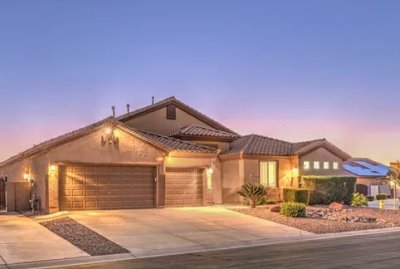
A buyer considering a condo purchase in Fort Lee first asked about special assessments during a consultation. While they could manage the monthly fees, they were concerned about receiving a large bill unexpectedly later on. This concern is valid.
The average sale price in Fort Lee rose from $468,856 in 2016 to $668,963 in 2025, an increase of 42.7 percent. This rise is a positive sign, but it is also important to consider the characteristics of areas densely populated with high-rise buildings that have views of the Hudson River near the George Washington Bridge, such as Le Rivage, Palisades, and The Modern. Le Rivage is a 31-story building with 243 units completed in 1984, while Palisades is a 38-story building with 518 units completed in 2003. The Modern consists of two new towers that are 47 stories tall. This indicates a wide range of building ages, from over 40 years to newly constructed.
The level of management fees can be referenced against the Bergen County median of $490 per month. However, this figure is an average for all condos, and it should be noted that high-rise buildings in Fort Lee with amenities like pools, gyms, and concierges often have higher fees. The average in New Jersey is $423 per month, and high-rise buildings can exceed $1,000.
There are both favorable and burdensome aspects here. Newer towers tend to have thicker reserves and a lower likelihood of needing major repairs, which means the risk of special assessments is relatively low. In contrast, buildings completed in the 1980s may be approaching the time for elevator or plumbing replacements, so it is essential to examine the reserve status more closely.
In fact, in high-rise buildings over 40 years old, projects like plumbing replacements or exterior repairs can lead to special assessments ranging from thousands to tens of thousands of dollars per unit. Conversely, buildings with steadily accumulating reserves often manage the same projects within regular maintenance fees.
For families moving to Fort Lee from other states, it is advisable to also consider property taxes in addition to management fees. New Jersey is known for having high property tax rates, so even if management fees are manageable, total housing costs may be higher than expected.
Families that prioritize school districts should refer to ratings from GreatSchools or Niche, but keep in mind that school district boundaries change frequently, so it is best to verify the assigned school based on the address of the property of interest. The accessibility to Manhattan via the George Washington Bridge is also a factor supporting demand for Fort Lee condos, but this does not guarantee management fees or reserve status.
New Jersey has seen significant changes in this area recently. A law enacted in 2023 will take effect in January 2024, with an additional amendment set to apply in August 2025. Condos and co-ops must conduct reserve studies by certified engineers or professionals every five years and manage their finances to ensure that the balance does not fall into the negative over a 30-year plan. Once this law is established, it is expected that more buildings will be able to handle major repairs through planned reserves without special assessments, but since it is still in the early stages of implementation, compliance levels may vary by building.
For investors looking for rental income, the demand for high-rise buildings in Fort Lee due to commuting to Manhattan means that vacancy risks are relatively low. However, because management fees are high, net yields may decrease, so it is realistic to factor in both management fees and property taxes when calculating returns.
During bank loan assessments, reserve status, litigation history, and delinquency rates are also considered. If these do not meet standards, the property may be classified as a non-warrantable condo, making loans more difficult to obtain. It is safer to request and review recent reserve studies and board meeting minutes before purchasing. The numbers for management fees and the risk of special assessments ultimately boil down to the age of the building and the level of reserve accumulation. It is safer to verify these two factors before rushing into a purchase. This article does not constitute investment or legal advice, and it is recommended to consult with professionals before finalizing any contracts.
 HeartDream
 IndianaYo






 |
| 
 Premium Gas Camp |
 CA Real Estate |
 cheesepup |
 breezem |
 The Yellow |
 sweetvan |
 DOCTOR MED |
 hiddenkong |
 explorer |
  dictionary |
  Mr Bull Jung |
  radiant |
  Georgia 88 |
  Great TOWN NEWS |
  Open Flex Mind |
  Hartford Blog |
  unified |
  Generation X |
  ringwinds |
  American Food Information & Calories |
  Hawaii Maui Kahului |
  calvorn |
  fernando park |
  newyorker 101 |
  coffeee |
  |
|  Christopher |
  sylven |