
When budgeting for a move, many people only calculate rent and overlook utility bills.
If you're considering moving to Federal Way, I recommend checking the electricity rates first. Many assume that Washington has a lot of rain and dark winters, so they will use the heater a lot, but I often see people surprised when they receive their bills.
Knowing the numbers in advance and preparing is significantly different from receiving the first bill without any information. So today, I will go through the structure of electricity rates in Federal Way based on data.
The electricity rate in the Federal Way area is about $0.14 per kilowatt-hour (kWh), which is approximately 24% lower than the national average in the U.S. Most of the electricity in this area is supplied by Puget Sound Energy, or PSE. Washington State has a high proportion of hydroelectric power, making the rates lower compared to states like California, Texas, or New York.
Personally, I believe that these regional differences in energy costs significantly impact actual living expenses. Even with the same income, the amount of money left over each month can vary greatly depending on where you live.
People who check this data before deciding to move and those who just go with their gut will likely have different bank balances a few years down the line. I think that developing the habit of seeking out and preparing information ultimately leads to personal financial stability.
The average monthly electricity bill varies slightly by source, but it is reported to be between $148 and $191. This difference largely depends on the size of the home, types of appliances, and whether there is air conditioning. If you're interested in energy savings, checking out the rebate programs on the PSE website is also a good idea.
Looking at summer electricity rates, the average high temperature in Federal Way in August is around 77.5 degrees Fahrenheit, which is not excessively hot. As a result, many households manage without air conditioning, relying on fans or ventilation, and summer electricity rates tend to remain low.
However, in recent years, there have been more instances of exceptional heat waves, leading to a gradual increase in households installing air conditioning. Data suggests that during peak summer months, electricity bills can increase by about $50 to $150 if air conditioning is used. If you can manage without air conditioning, summer is the most economical season in terms of electricity costs.
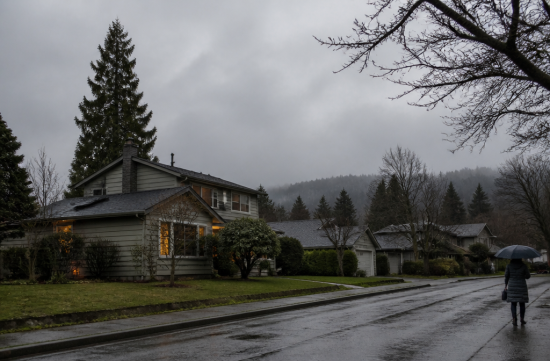
Winter is a different story. While Federal Way does not typically drop below freezing, the cloudy and damp weather from November to March creates a clear demand for heating.
Households using gas heaters need to account for both electricity and gas bills, while those using electric heaters will see a noticeable increase in winter electricity costs. The total monthly utilities, including electricity, water, gas, and internet, are usually reported to be between $150 and $250. During peak winter season, this total can rise to between $200 and $450, with the biggest variables being the insulation of the home and the heating method used.
Therefore, if you're planning to move, I recommend checking the insulation status of the home and whether the heating is gas or electric beforehand. This is one of the practical questions to ask before signing a lease.
Especially before signing a rental agreement, asking the landlord or management company about the previous tenant's average winter bills is a good approach. The act of requesting accurate numbers itself helps develop a habit that prevents unexpected expenses later on.
In summary, Federal Way has low electricity rates, resulting in lower basic costs, and it is particularly advantageous in summer when air conditioning is not used. Winter can vary greatly depending on the heating method, so it is realistic to budget for total utilities, including gas, water, and internet, rather than just looking at electricity rates alone.
By understanding and managing the numbers in advance, you can significantly reduce the chances of being surprised by your first winter bill. Ultimately, the time invested in gathering information can lead to lower monthly expenses, so I believe that this level of research before moving is well worth it.
 OTEscape
 OrangeMaker





 solvix18 |
 RV Samuel's Dad |
 Young Kim and Cheol's Blog |
 American Blog Forge |
 Spirit Raider House |
  timemachine |
 Seattle - Emerald City |

 corner kick |
 bluebird |
  Starry Eyes |
  Desert King |
  Texas Real Estate Blog |
  U.S. Retirement Pension Information |
  Texas Migration Story |
  Unknown Dog Walk blog |
  California Dreamer |
  Bearded Strawberry Smoothie |
  JESIKYEOALBA BLOG |
  Heart Ticker |
  Jellia Angel |
  Moo Tang Clan |
  Khan Film Blog Production |
  yenne |
  neroyo |
  Peter Pan Pet |
  Next Year, Let's Become Rich |