
One of the first questions people ask when looking for apartments in Riverside is about management fees. While the rent itself may not seem very different, many report a significant difference in electricity and heating/cooling costs once they actually move in.
The average rent for apartments in Riverside is $2,234 per month as of July 2026, which is a 1.24 percent increase from the previous year (RentCafe, 2026). Studios average $1,698, one-bedroom units are around $1,944, two-bedrooms are about $2,378, and three-bedrooms are approximately $2,950. Of all the apartment buildings in Riverside, 37 percent were built after 2000, making them relatively new, while the rest are older constructions (RentCafe, 2026).
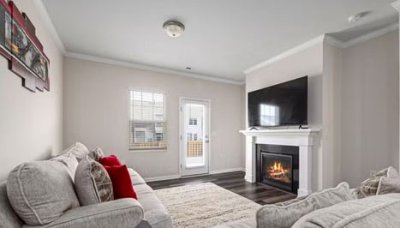
The first item to check is the cooling costs. Riverside is located in a hot inland area during the summer, leading to high cooling demand. New constructions typically come with high-efficiency insulation, double-pane windows, and smart thermostats, which tend to result in lower electricity and heating/cooling management costs compared to older buildings (nar.realtor, angi.com new vs. old construction guide). In contrast, buildings constructed before the 1990s often have thinner insulation, which can lead to unexpectedly high electricity bills in the summer.
The second factor is the rent gap itself. On a national average, new constructions often carry a rent premium of about 10-20 percent compared to older buildings (RentCafe, Apartment List new construction trend report). However, when factoring in the savings on management fees, the actual difference in total housing costs may not be as significant as the rent prices suggest. It's best to get direct quotes for each unit to get an accurate picture.
In terms of location, downtown Riverside, centered around the Mission Inn area, has many older neighborhoods that have been established since the early 1900s, while areas like Orangecrest and Woodcrest to the east have seen more new developments since the 2000s. Older buildings near downtown benefit from unique architectural styles and strong walkability, while the new areas to the east are noted for their larger lots and modern community amenities.
The third consideration is HOA and maintenance. New condos or townhouses tend to have higher HOA fees if they offer more community amenities like pools and gyms compared to older buildings (bankrate.com HOA guide). Conversely, older buildings may have lower management fees but often face significant repair needs, such as plumbing or roofing, which can lead to unexpected costs. However, older constructions also offer larger living spaces, a mature neighborhood atmosphere, and established transportation and school districts.
Areas frequently visited by Korean families include those near Orangecrest or Canyon Crest, which generally have better school ratings. However, school district boundaries change frequently, so it's advisable to check resources like GreatSchools or Niche ratings, but verify the assigned school directly by address. For families moving from out of state, it's also beneficial to understand California's property tax structure. It is reassessed based on the purchase price and only increases by up to 2 percent annually, meaning properties held for a long time often have lower property tax burdens. Details may vary by county.
If the goal is investment, older buildings may have lower purchase prices and higher rental yields, but one must also consider the risks of major repairs like plumbing and roofing. New constructions have lower initial management burdens but come with higher purchase prices and HOA fees. Riverside has a mix of student rental demand due to UC Riverside and long-term family rentals, so the choice between new and old construction may depend on the target tenant. If targeting student renters, accessibility to the university may be a more critical factor than the difference in management fees.
Ultimately, to determine which option is more advantageous, one must consider rent, management fees, HOA, and maintenance risks together. This article does not constitute investment or legal advice, and consulting a professional before making any agreements is recommended.
 RagingBunny
 Pereclus








 cheesepup |
 breezem |
 yentra |
 virex |
 vexon87 |
 Purple Moons, |

 Hardworking Running Bobby Kim |
 Finding Superfoods |
 Springs Korea |
  nixon |
  mini hometown |
  Gleeee |
  MacMorningBlog |
  ASURA |
  Elastico |
  shaket |
  vionoo |
  chocolate |
  Whisper |
  Star Voyager |
  InDiGo |
  Rocky Mountains |
  Whoever It Is, I Don't Know |
  Why Not Me |
  Plastic Rose |
  Rice Shop Uncle BLOG |
  Victory 1988 |
  Gook Rule |