
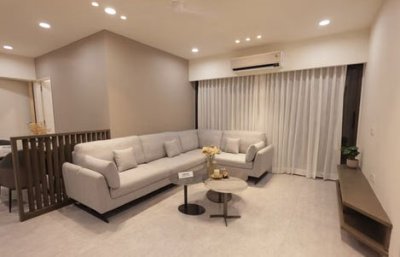
The average rent for apartments in Monterey is $2,795 per month, which is a 0.34 percent increase from a year ago (RentCafe, 2026 data). A one-bedroom apartment averages 672 square feet at $2,544, while a two-bedroom averages 922 square feet at $3,126. At first glance, the market seems stable, but comparing newly built buildings with older ones reveals a different experience.
Recently constructed buildings often come equipped with double-pane windows, high-efficiency insulation, and heat pump heating and cooling systems. Monterey experiences frequent coastal fog and significant temperature fluctuations between day and night, so the differences in insulation performance are reflected in utility costs. Older wooden homes tend to have aging windows that allow drafts, often requiring more frequent heating. Nationally, new constructions tend to have lower electricity and heating/cooling costs due to modern amenities compared to older buildings (nar.realtor, angi.com guide on new vs. existing). The humid coastal air also affects the rate of decay and mold growth in wooden structures. For older buildings, it's important to pay attention to the waterproofing of the exterior walls and roofing, while newer constructions often use moisture-resistant and waterproof materials designed for coastal climates.
In terms of pricing, new constructions typically carry a rent premium of about 10-20 percent compared to existing homes on a national average (RentCafe, Apartment List new construction trend report). Currently, about 23 newly built units are available in Monterey, but due to the coastal area's characteristics, there aren't many new development sites, leading to limited supply. As a result, new listings tend to sell quickly.
It's also worth noting the advantages of existing homes. In historic neighborhoods like Monterey, many properties feature mature trees, gardens, and walkable access to downtown. However, if the plumbing, roofing, and foundation work on a property is over 30 or 40 years old, it's important to consider the likelihood of major repairs being needed soon. In contrast, new constructions often come with building warranties that last from one to ten years, reducing the burden of major repairs in the initial years.
Location-wise, areas like downtown Monterey and New Monterey, which already have established commercial and tourism infrastructure, are mostly composed of existing homes, while new constructions are often found in smaller developments near Sailor's Row or on the outskirts. If the new construction is in a condo format, it's important to note that as community amenities increase, the HOA fees tend to be higher than those for existing homes (bankrate.com HOA guide). Conversely, while standalone existing homes may have lower management fees, it's safer to set aside a repair budget considering the age of the roof and plumbing.
When Korean families move to Monterey, they often check the school districts. The Pacific Grove and Carmel school districts are generally well-rated, but since district boundaries frequently change, it's advisable to refer to GreatSchools or Niche ratings and verify the assigned school based on the address. Families moving from other states should also be aware of California's property tax structure. It is reassessed based on the purchase price and only increases by up to 2 percent annually, so older existing homes often maintain a lower property tax burden. Details may vary by county.
From an investment perspective, new constructions have lower initial management burdens but come with higher purchase prices, while existing homes may have lower purchase prices but require consideration of repair costs. Rather than making conclusions based solely on rental yield, it's better to factor in vacancy periods and repair risks. In tourist-demand areas like Monterey, checking for short-term rental regulations is also essential for each property, as city or county ordinances are frequently updated, making it wise to verify the latest regulations. Ultimately, to accurately assess profit and loss, one must consider not just the surface numbers of rent and purchase price but also management fees, warranties, and regulations. This article does not constitute investment or legal advice, and consulting a professional before making any agreements is recommended.
 OhMyOz
 MelonHead








 cheesepup |
 breezem |
 yentra |
 virex |
 vexon87 |
 Hardworking Running Bobby Kim |
 Roman Pan |

 Raymond K. |
 Springs Korea |
  nixon |
  mini hometown |
  Gleeee |
  MacMorningBlog |
  ASURA |
  Elastico |
  shaket |
  vionoo |
  chocolate |
  Whisper |
  Star Voyager |
  InDiGo |
  Rocky Mountains |
  Whoever It Is, I Don't Know |
  Why Not Me |
  Plastic Rose |
  Rice Shop Uncle BLOG |
  Victory 1988 |
  Gook Rule |