
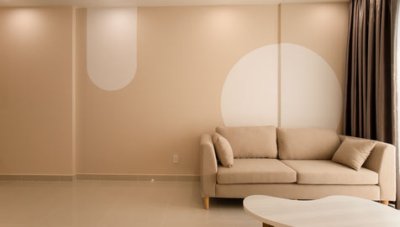
When exploring a new rental complex in Glenview, the first things that catch your eye are the underground parking, package room, and fitness center among the amenities. In contrast, buildings constructed in the 1960s and 70s typically offer only street parking or outdoor lots, and community spaces are often limited to a lobby. This difference is not just a matter of convenience; it significantly impacts the overall rent and maintenance fee structure.
Looking at the current market, the average rent across Glenview is around $1,938, while the average rent for properties classified as new construction is $3,103 (Apartments.com, as of July 2026). Simple calculations show that new constructions are about 60 percent higher than older buildings, which is a much larger gap than the 10-20 percent premium typically reported nationwide. This is likely due to the fact that new properties in the North Shore area tend to be concentrated in high-end complexes.
The average age of rental housing in Glenview is 31 years, with 49 percent of the buildings constructed after 2000 (RentCafe, as of 2026). While nearly half of the buildings are relatively recent, the other half are nearly half a century old. One-bedroom units range from $2,497 to $3,385, while two-bedroom units vary from $2,100 to $5,825, indicating a significant difference in experience between new and older constructions even within the same city.
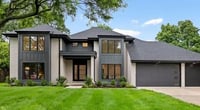
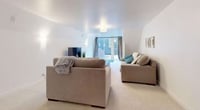
Choosing a new complex often means lower heating and cooling costs due to modern insulation and smart thermostats, and many come with construction warranties. However, with more community facilities, condo HOA fees are typically higher than those for older buildings. Conversely, older buildings offer larger spaces, mature landscaping, and a well-established neighborhood atmosphere, but if the building is approaching the time for major repairs like plumbing or roofing, unexpected costs may arise.
As of 2026, Cook County's effective property tax rate is about 1.98 percent, with the median property tax burden per household around $6,053 (taxbycounty.com). New condos or townhouses often have higher purchase prices, so even with the same tax rate, the actual amount paid may be greater than for older properties. However, property taxes can vary based on county and individual assessments, so it's advisable to check each property directly.
Glenview is considered a neighborhood with good school districts in the North Shore area, attracting many Korean families, whether they choose new or older properties. However, since school district boundaries frequently change, it's wise to verify the actual schools assigned to a specific address using resources like GreatSchools or Niche before making a purchase or signing a lease. If relocating from another state, it's also good to factor in that property tax burdens may be higher than in your previous location.
Winters in the Chicago area are marked by extreme cold and heavy snowfall, which can accelerate the aging of roofs, exteriors, and plumbing compared to milder regions. In older buildings, heating costs during winter can often exceed expectations, largely due to differences in insulation performance. The energy efficiency touted by new complexes is particularly noticeable under these climatic conditions.
If approaching this from an investment perspective, the calculations change. New constructions often have higher purchase prices, resulting in lower rental yields, but they come with lower vacancy risks and fewer major repair expenses in the near term. Older buildings may yield relatively higher returns compared to their purchase prices, but significant expenses for roof or boiler replacements can eat into those returns. However, this is a general trend and does not guarantee specific yields.
Insurance premiums are also worth considering. Older buildings with outdated plumbing or electrical systems may lead insurers to assess higher risks, resulting in increased premiums, so it's advisable to inquire about expected insurance costs when comparing properties.
Ultimately, the choice between new and older constructions is not simply about which is cheaper; it involves weighing maintenance costs, risk factors, and the priority of desired amenities. This article does not constitute investment or legal advice, and it is recommended to consult a real estate professional before making any contracts or purchases.
 PurpleRain
 SunsetVision






 cheesepup |
 breezem |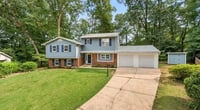
 yentra |
 virex |
 vexon87 |
 Sayonara H |
 Epoca News |
 moo moo |
 glenview 89 |
  Whisper |
  Star Voyager |
  InDiGo |
  Rocky Mountains |
  Whoever It Is, I Don't Know |
  Why Not Me |
  Plastic Rose |
  Rice Shop Uncle BLOG |
  Victory 1988 |
  Gook Rule |
  Rowland Mama |
  Coco and Lulu |
  Baguette Blog |
  washington mom |
  yorvik12 |
  HVAC will prosper |
  mortrix |
  Panorama Kstar |
  MAX009 BLOG |
  K-POP TV News |