

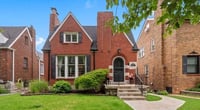
Let's take the example of a couple who have lived in the same house in downtown St. Louis for over 20 years. Even with their pensions and Social Security combined, they are still short by about $400 each month. Medical bills keep increasing every year. However, they do not want to leave their familiar neighborhood. One of the options that naturally comes to mind in this situation is a reverse mortgage.
A reverse mortgage is a product that allows homeowners aged 62 and older to receive funds by using their home equity as collateral. Unlike a traditional mortgage, where payments are made monthly, in a reverse mortgage, the borrower receives money from the lender in a lump sum, monthly payments, or a line of credit. The loan principal and interest are repaid when the home is sold, the owner passes away, or the home is no longer used as the primary residence. The most common product is the Home Equity Conversion Mortgage (HECM), which is insured by the Federal Housing Administration (FHA). Sources include hud.gov and consumerfinance.gov.
As of June 2026, the average home value in St. Louis is approximately $171,694 (Zillow). When expanded to St. Louis County, it rises to $261,065. If the couple has fully paid off their mortgage over the years, this amount of equity alone can provide a significant sum through a reverse mortgage.
The benefits are clear. They can secure cash flow for living expenses or medical bills without the burden of monthly repayments. HECM loans are non-recourse, meaning that even if the home value falls below the loan balance in the future, thanks to FHA insurance, heirs will not be required to pay the difference.
However, stopping here only tells half the story. The initial costs are higher than those of a traditional mortgage. There are origination fees, mortgage insurance premiums (initially around 2%, then about 0.5% annually), and closing costs. Over time, the home equity decreases, which means the assets passed on to children will also diminish. Most importantly, property taxes and homeowners insurance must still be paid by the borrower after taking out the loan. The average effective property tax rate in Missouri is about 0.89% (Tax Foundation). Failing to keep up with these payments can lead to default and even foreclosure.
As of 2024, 18.8% of Missouri's population is aged 65 and older, which is an increase of over 25% from 2013 to 2023 (USAFacts). As the retirement population continues to grow, it seems natural for homeowners to seek ways to secure cash flow while retaining their homes.
It's also important to note the eligibility requirements. Applicants must be at least 62 years old. The home must be the primary residence. If there is an existing mortgage balance, it must be paid off from the funds received through the reverse mortgage. A financial assessment must also be passed to ensure the ability to continue paying property taxes and insurance. All four of these conditions must be met to apply, and if any one of them is not satisfied, the planning must start over.
The actual amount that can be received varies based on age, current interest rates, and home value. Generally, the older the borrower and the lower the interest rate, the more money can be accessed. HUD counseling provides detailed explanations of this calculation method, cost structure, and alternative options. Be particularly cautious of proposals that rush for signatures via phone or in-person visits, as there have been reported cases of reverse mortgage scams targeting the elderly.
Reverse mortgages are not the only way to convert equity into cash. Other options, like a Home Equity Line of Credit (HELOC), also allow borrowing against the home. However, HELOCs require monthly principal and interest payments and have stricter income and credit assessments. The lack of monthly repayment obligations is the biggest difference from reverse mortgages, but it also means higher initial costs and a faster reduction in equity.
However, such decisions should not be made hastily. HECM applications require mandatory counseling from a HUD-approved counseling agency before submission. Given the existence of scams targeting the elderly related to reverse mortgages, it is essential to avoid skipping the counseling process or rushing into proposals. If you are considering this option in St. Louis, it is advisable to have thorough discussions with counseling agencies and family members before making a decision.
 Brighto
 LuckyTies







 Sugar Cream Door Bulletproof Noodles |
 urbanmint |
 |
| 
 Premium Gas Camp |
 CA Real Estate |
 calvorn |
 Lim Ario |

 mortrix |
  Famous Attractions in the United States |
  Jin Soo V |
  Starbucks Reserve Roastery Closure |
  peppermint |
  Stable Co. |
  Purple Moons, |
  International Court |
  roma |
  horse |
  moodansa 77 |
  zymit |
  maplefox |
  Fun Flex Life |
  hopeful |
  Reeno |
  Coastal city |
  meonetoo |
  Winter bear |
  Peach Jam Eating Laughter |
  Nando Raldo |