

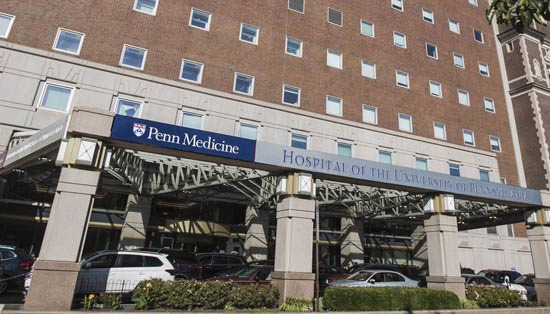
The Hospital of the University of Pennsylvania (HUP) is a world-class academic medical center.
Integrated with the University of Pennsylvania (UPenn) School of Medicine, one of the top medical research universities in the United States, this hospital consistently ranks among the best hospitals in the country for its exceptional level of care.
HUP is the core hospital of the broader healthcare system, Penn Medicine, collaborating with the Perelman School of Medicine to integrate medical education, research, and clinical care.
HUP provides world-class medical services across various specialties, including cardiology, oncology, neuroscience, transplant medicine, and regenerative medicine.
It has particularly excelled in organ transplantation, including heart, lung, and kidney transplants, and is one of the first institutions in the U.S. to successfully perform lung transplant surgery.
In cancer treatment, the Abramson Cancer Center at Penn Medicine offers cutting-edge cancer therapies as a National Cancer Institute (NCI) designated cancer research center.
Penn Medicine operates several affiliated hospitals and outpatient centers in addition to HUP. Pennsylvania Hospital, established in 1751, is the first hospital in the United States and holds significant historical importance.

Penn Presbyterian Medical Center, Chester County Hospital, and Lankenau Medical Center are part of the Penn Medicine network.
This extensive healthcare network provides access to world-class medical services throughout the Philadelphia metropolitan area.
HUP's research achievements have changed the course of medical history. The key research behind the mRNA vaccine technology that saved the world during the COVID-19 pandemic was conducted at the University of Pennsylvania School of Medicine. The mRNA research by Dr. Katalin Karikó and Dr. Drew Weissman was recognized with the 2023 Nobel Prize in Physiology or Medicine for its historical significance. Leading research is also being conducted in advanced medical fields such as gene therapy, cell therapy, and immuno-oncology.
For Korean patients, Penn Medicine hospitals offer various language interpreter services. Korean interpretation services are available, so if communication in English is difficult, you can request interpretation services when making a hospital appointment.
Specialty care appointments can be made through the Penn Medicine Appointment Center by phone or the myPennMedicine online portal. For non-emergency general care, a referral from a Primary Care Physician may be required, so it is important to check your insurance policy in advance.
HUP and Penn Medicine are not just hospitals; they are key institutions in the Philadelphia healthcare and research ecosystem. Receiving treatment in this system, where the world's top doctors and researchers gather, is a significant benefit for Philadelphia residents.
If you require a higher level of specialized care for complex or rare conditions, it is recommended to explore the specialty clinics within Penn Medicine.
 mintrivertraveler1965
 Brighto
 EricUnisex






 Jimbeam 88 |
 Taco Bell Candy Note Blog |
 Splendid Mission |
 Florida Gario |
 DelphiaMo |

 American Grape Shine Muscat |
 heartwarming |
 American General Knowledge Expert |
  Texas Real Estate Blog |
  U.S. Retirement Pension Information |
  Seattle - Emerald City |
  Texas Migration Story |
  Unknown Dog Walk blog |
  California Dreamer |
  Bearded Strawberry Smoothie |
  JESIKYEOALBA BLOG |
  Heart Ticker |
  Jellia Angel |
  Moo Tang Clan |
  Khan Film Blog Production |
  yenne |
  neroyo |
  Peter Pan Pet |
  solvix18 |
  Next Year, Let's Become Rich |
  Investment Campus Home Ownership |
  virex |
  Yoyma |