


After closing on a condo, a letter from the management association arrives shortly after. It states that due to roof replacement or plumbing work, each unit will need to pay several thousand dollars in special assessments. Such letters often catch first-time condo buyers off guard, as these costs are not mentioned in the sales contract. Simply put, this is money collected by the management association in addition to the monthly HOA fees when significant expenses arise for the building.
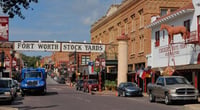
Looking at the Fort Worth housing market, as of July 2026, the median listing price is $350,000, and the median sales price as of May is $335,000 (source: jvmlending.com). This figure includes all types of homes, not just condos, so it's important to keep that in mind. HOA fees vary significantly depending on the type of building; basic management services range from $55 to $160 per month, while master-planned communities with extensive amenities charge between $200 and $400 per month, and some condo communities can exceed $100 to $300 (source: texasbmg.com). It's worth noting that even within Fort Worth, high-rise condos near downtown and low-rise townhome-style condos in the suburbs have different fee structures, making comparisons easier.
While there is no way to avoid special assessments, there are ways to gauge the risks before purchasing. It's necessary to check the management association's meeting minutes for large-scale projects discussed in the last 2-3 years and to request reserve study results to see what percentage of the budget is allocated to the reserve fund (source: nar.realtor). Following the Surfside condo collapse in Florida in 2021, the SB 4-D law mandates structural inspections at the 30-year mark for buildings over three stories and full funding of reserve funds, but Texas currently lacks such state-mandated regulations. In simpler terms, in Texas, how thoroughly the management association has saved money is not dictated by law but entirely depends on the operational practices of that building.
It's also worth discussing insurance premiums. In recent years, rising reinsurance costs and litigation risks have led to an increase in condo insurance premiums nationwide, and these increases are often passed on as higher management fees or special assessments (source: iii.org). Buildings where the reserve fund is less than 10 percent of the budget may become non-warrantable condos under Fannie Mae and Freddie Mac guidelines, which could lead to less favorable loan terms.
If you're moving to Fort Worth from another state, it can be easy to overlook property tax burdens based on your previous residence. Texas has relatively high property tax rates, so it's safer to calculate the total cost of ownership by adding property taxes to management fees and special assessments. Condos in areas with good school districts are often favorably evaluated for rental demand and resale value, but school district boundaries change frequently, so it's advisable to verify the assigned school for the address before purchasing.
When comparing the two areas side by side, high-rise condos near downtown and South Main are characterized by abundant amenities and correspondingly high management fees, while low-rise condos near the Medical District or TCU have relatively lower fees but also simpler amenities. In simpler terms, choosing a building with lower fees isn't necessarily advantageous; what's more important is whether that building can handle maintenance without special assessments. From a rental perspective, the area near TCU tends to have steady demand from students and faculty, while the Medical District shows stable demand from hospital staff.
In summary, when considering Fort Worth condos, it's essential to look beyond just the surface management fees and also examine the history of special assessments and the status of the reserve fund. This information is intended for general informational purposes, and consulting a real estate professional before making any contracts is recommended.
 MontanaNana
 ArtBox



 cheesepup |
 breezem |
 yentra |
 virex |
 vexon87 |
 HVAC will prosper |
 sunny flower |
 chilli chilli |
 jaxter |
 hazelnut |
  Korean News American Blog |
  AH LALA |
  Savion |
  pintos |
  Good Good |
  oh my salami |
  Lemonade Cider Planning Director |
  Way to easy |
  American Hardcore Band |
  Dala Dala |
  Pointy |
  Springs Korea |
  nixon |
  mini hometown |
  Gleeee |
  MacMorningBlog |
  ASURA |
  Elastico |