
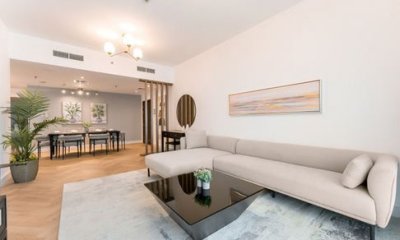
The preferred housing types in Portland vary significantly based on commuting distance and location. In areas close to downtown, the demand for condos remains steady, while new developments slightly outside the city center are seeing a rapid increase in townhomes, and single-family homes continue to dominate in the suburbs. So, what is the actual price difference?
According to Zillow data from 2026, the median home price in Portland is $523,862, which is a 0.05 percent increase from the previous year. Single-family homes average around $570,000, while condos are priced at about $365,000, resulting in a price gap of over $200,000 between the two types.
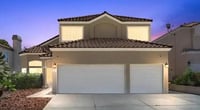
What about townhomes? Newly constructed townhomes are generally priced between $450,000 and $550,000, typically featuring three stories and are mainly supplied in Beaverton, Gresham, and small lots in downtown Portland. As of 2025, the transaction volume for new townhomes and row houses has increased by about a quarter compared to the previous year.
So, what type of housing do different people choose? Busy professionals who want to reduce maintenance burdens or empty-nesters tend to prefer townhomes with rooftop decks. In contrast, families prioritizing school districts still lean towards single-family homes.
When considering school districts, areas where Korean families tend to cluster are usually located in the Westside suburbs, where higher ratings on GreatSchools correlate with a larger proportion of single-family homes and higher prices. Since school district boundaries frequently change, it is advisable to verify the assigned school for a specific address before making a purchase.
If moving from another state, it's important to factor in that Oregon has no sales tax but a higher income tax rate, and the property tax assessment method may differ from the previous state. In terms of maintenance fees, condos can often exceed $400 per month, while townhomes are lower but still significantly higher than single-family homes.
Ultimately, Portland appears to have a balanced market where three types of housing coexist based on location. If commuting convenience is a priority, condos or townhomes may be the realistic choice, while those prioritizing yards and space should consider single-family homes. However, with an expected increase in housing supply of about 8 to 10 percent in 2026, it may be better to observe the new supply rather than rush into a decision.
It's also worth noting that the insurance structures differ. Condos and townhomes typically have the building's exterior and common areas insured under a master policy by the management association, while owners usually only insure the interior. In contrast, single-family homes tend to have higher insurance costs since the owner is solely responsible for the entire structure.
Investors looking for rental income should also consider that Portland has relatively many landlord-unfriendly regulations. It is safer to check local ordinances regarding tenant protection laws and rent control regulations rather than assuming prices will always rise.
Another common question readers have is whether housing types with lower maintenance burdens are easier to resell. This is difficult to determine, as single-family homes in good school districts often have steady resale demand. It seems that location and school districts play a more significant role in resale speed than the type of housing.
So, how will these three types of housing appeal to those coming from Korea? Condos, which resemble apartments in Korea, may feel familiar, but the ownership structure where the management association is responsible for the entire building differs from Korean apartment management. Townhomes, which share walls and have joint land ownership, are a concept not found in Korea and may initially feel unfamiliar.
This article is not investment or legal advice, and it is recommended to consult with a professional before making any actual contracts.
 RollBase
 TootButler






 |
| 
 Premium Gas Camp |
 CA Real Estate |
 cheesepup |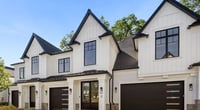
 breezem |
 cuteasducks |
 jammybear |
 Information on All Regions of the United States |
 Oregon Our Neighborhood Story |
  La Bean |
  American History This and That |
  Monte Sori |
  U donn |
  Sarah's Blog |
  Holy Cow |
  monster |
  houston mama |
  Reggae Party |
  Thou Thou |
  Tennessee Land |
  custardnew |
  Chimhanbang Korea ACU |
  See South Carolina |
  dorex |
  Taek Jun |
  Choi Cho |
  Anova US Beauty Information |
  whiskerbread |
  Yo Lock Me Up |