

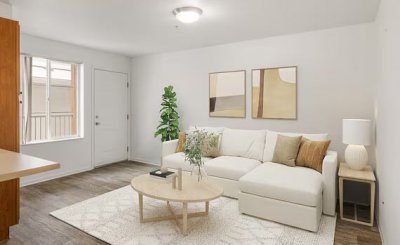
Until the pandemic, Portland was one of the fastest rising markets on the West Coast, but the trends over the last five years tell a different story. To summarize, the overall upward trend has noticeably slowed compared to other major West Coast cities.
According to Zillow data, the median home price in the Portland area was around $460,000 at the beginning of 2021, and it is currently estimated to be around $540,000. When calculated over five years, the cumulative increase is roughly between 17 and 20 percent, which falls significantly short of the national average often cited as being between 35 and 45 percent.
Year by year, until 2021, there was an increase based on low interest rates, similar to other regions, but after the interest rate hikes in 2022, issues like urban vacancy and population outflow compounded, leading to a relatively larger adjustment. In 2023 and 2024, prices have remained almost stagnant, with only recent signs of a gradual rebound. In some quarters, indicators showed a slight decline compared to the previous year.
The reasons for the slower growth compared to the national average include the migration of some businesses and residents to nearby Washington state or other Sun Belt cities after the pandemic, changing perceptions of urban safety, and the relatively high property taxes that are frequently mentioned. However, recent discussions about urban revitalization have shown signs of improving market sentiment. Some indicators also confirm that hiring in the tech sector is beginning to pick up again.
From my long-term experience with local property data, Portland can be summarized as a market where the absolute prices remain high, but the momentum for price increases has slowed. Given the prolonged adjustment phase compared to other regions, there are perspectives that view the current moment as a buying opportunity, while others suggest a more cautious approach is necessary.
For Korean households, Portland remains an attractive area in terms of school districts and natural environment, but considering the price stagnation over the past few years, it may be more advantageous to wait for signs of market recovery rather than rushing to sell. Conversely, if considering a purchase, now may be a time with lower entry barriers compared to other West Coast cities, allowing for negotiation opportunities.
The future outlook seems to depend on the pace of urban recovery and the overall trends of population inflow and outflow in Oregon. Rather than making definitive predictions about rebounds or further adjustments, it appears necessary to monitor quarterly transaction volumes and inventory levels together.
Even among West Coast cities, compared to nearby cities like Seattle or Sacramento, Portland's growth rate is definitely lagging. This gap seems to result from a complex interplay of population outflow and changes in industrial structure rather than just a simple price issue.
Similar trends are observed in the rental market as well. With the pace of rent increases slowing, tenants are finding more room for negotiation, which is something households considering investment purchases should be cautious about in their yield calculations.
Ultimately, Portland has shown a gradual trend compared to the national average, and it can be summarized as a region where it is important to consistently check data rather than act hastily.
 DailyWalk
 mintrivertraveler1965





 garlic bread |
 Sugar Cream Door Bulletproof Noodles |
 urbanmint |
 |
| 
 Premium Gas Camp |
 Oregon Our Neighborhood Story |
 nuttypup |
 Squid Q |
 Mint Star |
  jammybear |
  Round and Round Children's Song Kingdom |
  Mia Flori |
  nova nova |
  healthy |
  leaves |
  sparkling |
  maryland park |
  persiste |
  conte |
  blueman |
  Going Once |
  Eldorado 88 |
  cherrydino |
  middlekick |
  Moscow Kim |
  nivex85 |
  quanta7 |
  Tomato Health Club blog |
  horse |