

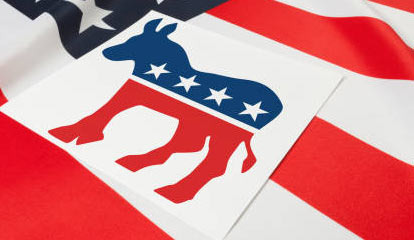
The Democratic Party of the United States is experiencing internal conflicts after losing the presidential election. This is due to deepening concerns about which policies and issues to focus on for the next election victory.
After losing to Trump in the presidential election, the Democratic Party is struggling to implement policies that failed to gain voter support. It can be likened to checking "what to study" after failing an exam.
Below, we will examine several prospects for the Democratic Party after their election defeat.
Deepening Conflict Between Progressive and Moderate Factions
There is a significant difference in the direction between the group pursuing progressive and radical reforms and the group emphasizing more moderate and pragmatic solutions. After the election defeat, there are likely to be opposing analyses such as "we lost because we lacked progressive policies" and "we lost because we appeared too radical." It is expected that debates to gain control within the party will become more active during this process.
Discovery of New Leadership
When there is a defeat in the presidential election, questions about accountability for the existing leadership arise. This could lead to new figures emerging or young politicians rising rapidly. There is a growing expectation that a 'young leader' supported by the younger generation and progressive factions will revitalize the party. However, how coordination with the experienced elder group within the party is achieved will be a future challenge.
Reassessment of Core Policies
The biggest concern will be what messages to convey in areas such as the economy, welfare, environment, and racial and gender equality policies to attract a broad range of voters again. While analyzing the reasons for the defeat, there is a high possibility of conflicting voices between "we need to pursue bolder changes" and "we need to find a middle ground that the majority of voters want."
Strengthening Strategies for Upcoming Midterm Elections and Gubernatorial Elections
In American politics, midterm elections (House and Senate) and gubernatorial and state legislature elections held every two years are very important in addition to the presidential election. Even if they lose the presidential election, if they win the midterm or local elections, they can regain influence, so the Democratic Party is expected to launch a full-scale effort starting from the next midterm elections. They may adopt a strategy of building successful cases at the local level to restore the party's image and trust.
Efforts to Reorganize and Expand the Voter Base
Recently, the voter landscape in the United States is changing rapidly. The differences in voting tendencies between urban, suburban, and rural areas, generational differences, and support tendencies by race and ethnicity are intricately intertwined. If the Democratic Party has lost in the presidential election, it is necessary to analyze in detail where they lost votes among which regions and classes, and to create messages and policies that can more effectively reach these groups.
After the presidential election defeat, the Democratic Party must grapple with the question of 'how to change and innovate' internally. This sometimes manifests as conflict and division, but it is also an important process for determining the direction the party must take moving forward. In conclusion, the future of the Democratic Party depends on the results of their internal reform efforts and how broadly they can gain consensus in a changing American society.






 El Dorado |
 lightyear |
 Moscow Kim |
 coloradoman |
 Montgomery Mom |
 Peter Pan Pet |
 Nuchuhan Exploration BLOG |
 Sugar Cream Door Bulletproof Noodles |
 Tonky |
  viroma |
  cookie |
  Live and that's it |
  Alright Twain |
  eatontown blog |
  HAWAII Korean Church News |
  Amore |
  linex |
  Balancework |
  laro90 |
  MEDBIO American Doctor Blog |
  SWAT TEAM BLK |
  DREAM BIG |
  frostbite |
  330 Forever My Love |
  dralix58 |
  Gorama Round |
  Skydiving |