

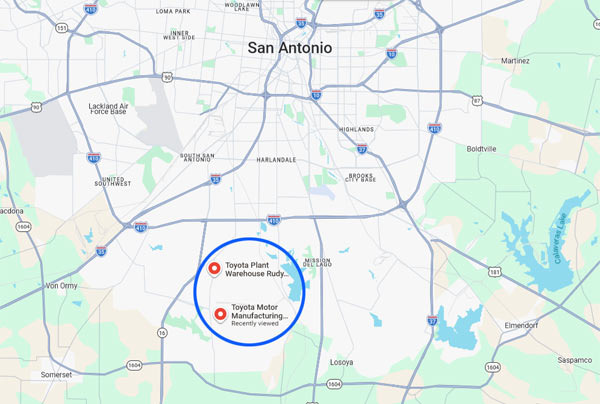
My thought upon hearing this news was, "San Antonio is becoming the key city for pickup truck production in the U.S."
In the U.S., pickup trucks are not just vehicles.
As you know, in Texas, they are among the most popular choices for construction, agriculture, the oil industry, and even regular households.
Especially, the Tacoma consistently records high sales in the U.S. midsize pickup market, so the production volume will be quite substantial. I believe they will produce tens of thousands of units.
Toyota is already producing the full-size Tundra and the well-known Sequoia SUV at the San Antonio plant.
With the addition of the Tacoma, this factory will essentially become the center of Toyota's North American pickup production.
The main reason behind this decision is the U.S. manufacturing return policy. The Trump administration has continuously demanded that automotive companies expand production within the U.S., and tariffs on imported vehicles have also been strengthened. This investment in Texas is considered a key part of that strategy.
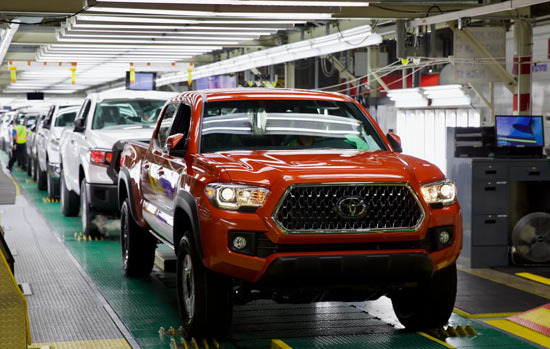
Considering the families involved, the economic impact is expected to be significant.
Additionally, production capacity is expected to expand from about 200,000 to 350,000 units annually.
In fact, there are expectations that this expansion will further enhance the manufacturing cluster in the southern region.
Of course, it's not all positive. As quality jobs increase, population influx will also rise.
This could lead to higher housing prices and rents, as well as potential issues with traffic congestion during commutes and infrastructure expansion.
Major Texas cities have already experienced similar changes whenever large manufacturing investments have occurred.
However, one thing seems clear. In the trend of the U.S. manufacturing center shifting south, Texas is becoming one of the biggest beneficiaries.
With large-scale investments in semiconductors, electric vehicles, and now automotive production, the presence of 'Made in Texas' is becoming even more pronounced.
I plan to keep an eye on how the factory progresses as planned and how new jobs and local businesses develop by 2030.
 GodOfWealth
 DieSansCoffee






 novapixel |
 NEXT ROUND |
 Encyclopedia of New York and Surrounding Areas |
 washington mom |
 California Dreamer |
 Helpful Life Stories |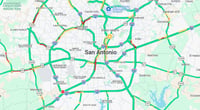
 TEXAS Fishing Boat |
 solvix18 |
 Texas Migration Story |
  USA Business News |
  Samsung My My |
  bubblo |
  tartbear |
  Washington Monument |
  Forever Young |
  crystalx |
  Spaghetti Flying Religion |
  lunarpath |
  Another Eden Channel BLOG |
  sprinkletop |
  bongo |
  savannah choi |
  Successful Manager Kim's Team |
  crystalo |
  Canvas Pro Blog |
  Time Management Enthusiast |
  Cap Com |
  nixxon |
  kevin Kim |