
The average rent in Baltimore is $1,600 (Zumper, as of May 2026). Recently, someone calculated whether this amount could cover a mortgage instead of rent. Ultimately, that calculation was not far off.
The median home value in Baltimore is $189,754. It has decreased by 2.9 percent over the past year (Zillow, as of July 31, 2026). According to another report, the median sale price based on actual transactions has increased by 3.0 percent to $250,000 compared to the previous year (Redfin), showing differing trends across various metrics. Rent, according to RentCafe, averages $1,653, which is a 0.42 percent increase from the previous year (as of August 2026).
From my perspective after watching this market for over 30 years, Baltimore has a relatively low rent-to-price ratio compared to other major cities in the U.S. When calculating the price-to-rent ratio by dividing the sale price by one year of rent, it comes out to roughly between 9 and 10. Typically, a ratio below 15 indicates a favorable market for buying, and Baltimore is significantly lower than that. There are often cases where the money spent on rent is similar to or even exceeds mortgage payments.
However, decisions should not be made based solely on numbers. Baltimore is a city with significant price variations by neighborhood. Even within the same city, sale prices can differ by two to three times depending on the area, so this low ratio does not apply uniformly across all neighborhoods. If you have a down payment ready and plan to stay in the area for over five years, the current low price-to-rent ratio can be seen as a favorable signal for buying. Conversely, if you are still uncertain about the neighborhood, renting while experiencing different areas can also be a good approach.
Let's summarize the numbers again. If you buy a $189,754 home with a 20 percent down payment, the loan principal would be about $150,000, and even with property taxes and insurance added, the monthly expenses often come out to be similar to or even lower than the rent of $1,600. Based on my experience of over 30 years in this market, such conditions are rare. However, initial costs can vary significantly depending on the condition of the property and the extent of repairs needed, so I recommend not skipping the thorough inspection process.
I want to emphasize again that there are significant variations by neighborhood in Baltimore. While home prices in redeveloped areas near the harbor are steadily increasing, some parts of the older downtown still remain stagnant. The calculation that rent could cover a mortgage holds true for the city's overall average, but the results can vary greatly depending on which neighborhood you choose. If you have a neighborhood of interest, please check the recent sales trends individually.
There's something I always add for those doing this calculation for the first time. A low price-to-rent ratio is a favorable signal for buying, but it also means that it may be a market where significant price appreciation is hard to expect. If you want stable monthly expenses for living purposes, buying is advantageous, but if you expect a significant increase in asset value in a short time, it would be balanced to consider other areas as well.
Korean families near Baltimore often move to Howard County or Baltimore County for school district reasons. Check school ratings through GreatSchools or Maryland State Department of Education resources, but since boundaries change frequently, be sure to verify the assigned school before signing a contract. Property tax rates and insurance costs in Maryland vary by county, so if you are coming from another state, it's good to compare those as well. This article is not investment or legal advice, and it is advisable to consult with a professional before making any actual contracts.
 MayoWaterPark
 moonriver82





 Sugar Cream Door Bulletproof Noodles |
 urbanmint |
 |
| 
 Premium Gas Camp |
 CA Real Estate |
 Information on All Regions of the United States |
 mygoddess blog |
 frostpup |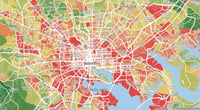
 maryland park |
 USA Business News |
  UCLA Captain |
  lattecu |
  dynamite |
  frostingline |
  Hakuna Matata |
  Your Curiosity Resolved |
  Way to easy |
  Chino Min |
  nexabyte |
  moonshine 7 |
  Sunset Oregon |
  victoria 68 |
  golfmaster |
  Montgomery Mom |
  squidogame |
  Noodle Noodle |
  Rhode Island Good People |
  Big North |
  Famous Attractions in the United States |
  Jin Soo V |