
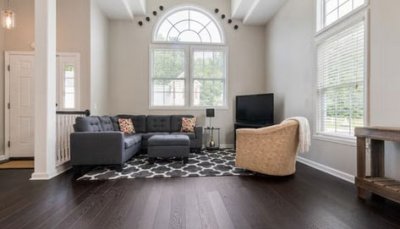
Baltimore is a city filled with row houses and early 20th-century brick buildings. In neighborhoods with many decades-old buildings, it is common for rent to include utilities and heating costs (baltimorechronicle.com). This means that while older buildings may seem less favorable when comparing rent alone, the total monthly expenses can be calculated differently.
According to data from 2026, the average rent in Baltimore ranges widely from $1,495 to $1,943 (rentcafe.com, zumper.com). One-bedroom apartments are reported at $1,782, two-bedrooms at $2,158, and three-bedrooms at $2,249 (renthop.com). This indicates that there is a significant variation in rent depending on the area and the age of the building within Baltimore.
Looking at the supply of new constructions, it appears that the amount of new builds has decreased by nearly 70 percent compared to 2024 (apartmentlist.com). This suggests that new rental properties may be scarce for some time to come. Tenants looking for new constructions should first consider that their options may be limited.
The strengths of older buildings are clear. Established neighborhoods have already proven their accessibility to public transportation, commercial areas, and schools, and many feature the unique high ceilings and character of brick row houses. However, if the plumbing, electrical, or HVAC systems are outdated, it is important to consider that insulation may be poor, leading to higher heating and cooling costs (baltimorechronicle.com).
In contrast, new constructions tend to have the latest insulation materials and smart systems, resulting in lower management costs, and they often come with construction warranties. However, it is common for new condos with many community amenities to have higher HOA fees compared to older buildings.
Property taxes and rental laws in Maryland vary by county, so families moving from other states should not judge based on their previous residence but should check the tax rates for Baltimore City and the surrounding counties. If looking for school districts preferred by Korean families, it is advisable to refer to ratings from GreatSchools or Niche, but since boundaries change frequently, it is wise to verify assigned schools before signing a lease.
The summer humidity in Baltimore is also a factor to consider. Older buildings with poor insulation and ventilation are prone to moisture and mold issues, which can lead to increased cooling costs. New buildings with the latest ventilation systems are relatively better equipped to handle humidity problems.
From my long-term observation of this market, Baltimore often shows a relatively high rental yield for older buildings with lower purchase prices. However, it is important to note that if a building is approaching the time for plumbing, roofing, or electrical replacements, that yield may be offset by significant expenses. I want to emphasize that no specific yield is guaranteed.
Insurance costs also vary based on the age of the building. Older plumbing or electrical systems may lead insurers to assess higher risks, so it is advisable to check expected insurance costs when comparing properties.
There are also clear differences in structure. Baltimore's brick row houses often have narrow and long traditional layouts with shared laundry facilities. New apartments typically feature open layouts and in-unit washers and smart door locks as standard. However, the unique outdoor spaces and distinctive exteriors of row houses are charms that are hard to find in new constructions. This difference ultimately raises the question of whether to prioritize convenience or character.
From my long-term perspective on this market, it seems that the value of location and atmosphere in older buildings still plays a significant role in Baltimore. This article is not investment or legal advice, and I recommend consulting a professional before making any actual agreements.
 SlavoBravo
 AcusWorld







 cheesepup |
 breezem |
 yentra |
 virex |
 vexon87 |
 peachpanda |
 frostpup |

 sweetfox |
 milkbear |
  Springs Korea |
  nixon |
  mini hometown |
  Gleeee |
  MacMorningBlog |
  ASURA |
  Elastico |
  shaket |
  vionoo |
  chocolate |
  Whisper |
  Star Voyager |
  InDiGo |
  Rocky Mountains |
  Whoever It Is, I Don't Know |
  Why Not Me |
  Plastic Rose |
  Rice Shop Uncle BLOG |
  Victory 1988 |
  Gook Rule |