
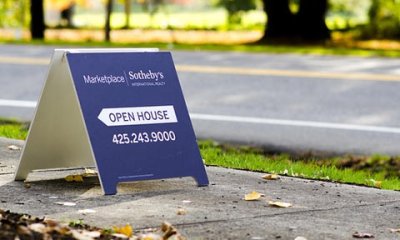
I've seen many cases where people had to rent out their homes suddenly due to a job transfer, without enough time to organize everything. In the past, it was common to quickly hand over the property to acquaintances, but now, with the rise of online platforms and management services, it's possible to manage remotely.
The average rent in San Jose is $3,367 as of August 22, 2026, according to Zumper. This is a 10 percent increase from a year ago. Studios are around $2,076, one-bedroom apartments are about $2,700, and two-bedroom units are priced at approximately $3,595. If you're leaving for another state, it's wise to have a management company or agent verify these rates based on this data.
In order, there are three main things to check: setting the rent, tenant screening, and drafting the lease. Adjust the rent based on the condition of the house and the market rates mentioned earlier, and post ads on Zillow or Apartments.com. If you're managing from out of state, it's practical to have a local management company or a friend take photos and show the house.
Screening involves checking credit scores, income verification, and previous rental history. It's common to use a guideline where income is 2.5 to 3 times the rent. If you're managing the property remotely, it's advisable to keep thorough documentation of this step.
The lease should specify the rent amount and due date, the security deposit amount and return conditions, who is responsible for repairs, and the lease term. If you're out of state, you can include a clause that allows the tenant to handle minor repairs and settle with receipts to reduce the burden of travel.
According to California AB 12, the security deposit is generally capped at one month's rent. Individual landlords who own two or fewer rental properties or four or fewer units can charge up to two months' rent. The landlord must return the settlement details and any remaining balance within 21 days after the tenant moves out.
In addition, San Jose has its own regulations called the Apartment Rent Ordinance. This applies to buildings with three or more units built before September 7, 1979, and limits rent increases to 5 percent once every 12 months. In the past, it was possible to carry over unused increases to the following year, but this is no longer allowed. Single-family homes or newly constructed buildings not subject to this ordinance follow state law AB 1482, which states that tenants who have lived there for more than 12 months cannot terminate the lease without just cause.
There is also a defined process for dealing with overdue rent. First, send a notice after three days, and if that doesn't resolve the issue, you must file an eviction lawsuit in court. If managing remotely, it's best to delegate this process to a local management company or attorney to minimize mistakes.
There are also established criteria for security deposit deductions. Normal wear and tear cannot be deducted, and only actual damages are subject to deductions. If managing remotely, taking detailed before-and-after photos can help reduce disputes later.
Before leaving for another state, don't forget to switch your homeowner's insurance to landlord coverage. It's also advisable to specify in the lease who is responsible for utility costs such as water, electricity, and gas.
In the past, landlords sometimes dropped by unannounced, but now they must provide written notice 24 hours in advance and can only visit during normal business hours. When raising rent, if the increase is 10 percent or less, a 30-day written notice is required; if it exceeds 10 percent, a 90-day notice is necessary. If managing remotely, marking these notice deadlines on your calendar can help avoid mistakes.
This article is intended for general informational purposes and is not legal advice. If you are moving out of state and need to manage your home remotely, be sure to consult a local real estate expert or attorney before signing any contracts.
 CEOChoi
 BlueTrail89






 garlic bread |
 Sugar Cream Door Bulletproof Noodles |
 urbanmint |
 |
| 
 Premium Gas Camp |
 Reggae Party |
 Breaking Bad Drama |
 Story Bank |
  Shining Our Own World |
 Information on All Regions of the United States |
  CA Real Estate |
  yolanda78 |
  Round and Round Children's Song Kingdom |
  Mia Flori |
  nova nova |
  healthy |
  leaves |
  sparkling |
  maryland park |
  persiste |
  conte |
  blueman |
  Going Once |
  Eldorado 88 |
  cherrydino |
  middlekick |
  Moscow Kim |
  nivex85 |
  quanta7 |