

Even within Tacoma, North End and South Tacoma have quite different rental prices. I've seen cases where someone posted an ad without realizing this, leading to inquiries from the wrong area. By just listing the neighborhood as Tacoma, they ended up with inquiries based on prices from other areas, which caused confusion. It was their first experience realizing that conditions can vary significantly depending on the side of the city.
It's essential to set the rental price accurately. According to Zumper, as of July 2026, the average rent in Tacoma is $1,610 per month. A one-bedroom averages $1,440, while a two-bedroom is around $1,810. However, this is an overall average for the city, and there are actual variations by neighborhood. When posting an ad, it's crucial to specify the neighborhood name to connect with tenants who are looking based on the local market rates.
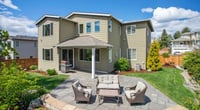
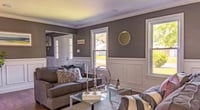
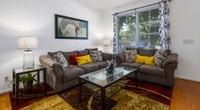
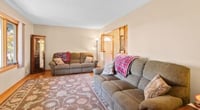
Ads should be posted on Zillow, Apartment List, and local community boards. The address should be precise down to the neighborhood, include multiple photos of each room, and detail the rental price, number of bedrooms/bathrooms, and parking availability to minimize inquiries that lead nowhere.
Once inquiries are organized, it's time for screening. Basic checks include credit score, income verification, and previous rental history. Many landlords use a guideline of income being around three times the rent. Avoid using personal criteria to filter tenants beyond these three factors.
Once a tenant is selected, conduct a pre-move-in condition check. Even within the same neighborhood, the condition of homes can vary based on when they were built, so taking photos of the walls, floors, and appliances beforehand is particularly helpful. Confirming this with the tenant and getting their signature can serve as evidence during the security deposit settlement later.
The lease should clearly outline the monthly rent, payment date, security deposit amount, pet policies, maintenance responsibilities, lease term, and renewal conditions. Washington state does not set a cap on security deposits, but any collected funds must be held in a trust account, and the tenant must be informed in writing of which bank it is. After the tenant moves out, a statement of deductions and the remaining balance must be returned within 30 days, and failing to meet this deadline can result in double damages.
There are also established procedures for evicting tenants. For rent arrears, a 14-day notice is required; for lease violations, a 10-day notice; and for serious issues, a 3-day notice. Washington has a just cause regulation that prevents landlords from terminating leases without valid reasons, so skipping procedures can put landlords at a disadvantage.
When raising rent, landlords must also follow state regulations separate from neighborhood market rates. Under HB 1217, the annual increase is capped at 7 percent plus the consumer price index, or 10 percent, whichever is lower, with a maximum of 9.683 percent for 2026. Rent cannot be increased during the first 12 months, and a written notice is required at least 90 days before any increase.
Insurance should also be reviewed based on neighborhood conditions. Maintaining only standard homeowners insurance while renting can lead to ambiguous coverage, so switching to landlord insurance is generally safer. After the tenant moves in, establish a single point of contact for repair requests, and respond quickly to urgent matters to maintain a good relationship.
As the lease expiration approaches, reach out in advance to confirm renewal intentions. Since rental prices can vary even within the same neighborhood, it's wise to reassess the rental price against the local market rates at the time of renewal.
Ultimately, the first thing to check when renting in Tacoma is not the citywide average but the actual listings in your neighborhood. From there, you can layer on screening, lease agreements, and Washington state regulations in order.
Understanding that conditions differ by neighborhood, even within the same city, can help reduce trial and error. This article is for general informational purposes, and it is advisable to consult with a professional knowledgeable in Washington state rental laws before finalizing any agreements.
 SilverPeak72
 LatteFocus





 urbanmint |
 |
| 
 Premium Gas Camp |
 CA Real Estate |
 explorer |
  endone |
 Mazinger Z Rocket Punch |
 American Blog Forge |
  UCLA Captain |
  lattecu |
  dynamite |
  frostingline |
  Hakuna Matata |
  Your Curiosity Resolved |
  Way to easy |
  Chino Min |
  nexabyte |
  moonshine 7 |
  Sunset Oregon |
  victoria 68 |
  golfmaster |
  Montgomery Mom |
  squidogame |
  Noodle Noodle |
  Rhode Island Good People |
  Big North |
  Famous Attractions in the United States |
  Jin Soo V |