

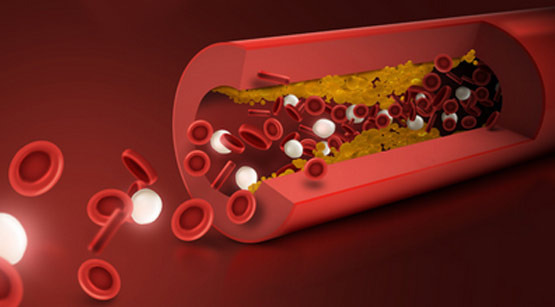
Diabetes is a condition where the process of converting glucose in the blood into glycogen for storage in cells is delayed or halted due to the lack of insulin secreted by the pancreas, leading to excessive accumulation of glucose in the bloodstream and large amounts being excreted in urine.
When we eat, glucose is absorbed into the blood, and at this time, a hormone called insulin is secreted from the pancreas to help cells take in glucose. However, if there is a problem in this process, diabetes occurs.
Diabetes is mainly divided into two types: Type 1 diabetes and Type 2 diabetes. There are also gestational diabetes and other special types, but the most common are these two.
First, Type 1 diabetes primarily occurs in children or adolescents. In this case, the pancreas is unable to produce insulin at all because the immune system mistakenly attacks and destroys the beta cells in the pancreas that produce insulin. This is called an autoimmune response. Therefore, patients with Type 1 diabetes must receive insulin injections for life. Without insulin, cells cannot absorb glucose, leading to high blood sugar levels and a state of energy deficiency.
Next, Type 2 diabetes mainly occurs after middle age, but recently it has also been seen in young people and even children. The main causes are lifestyle factors such as obesity, lack of exercise, poor eating habits, and stress. In this case, insulin is produced, but the cells do not respond well to it. This is called insulin resistance.
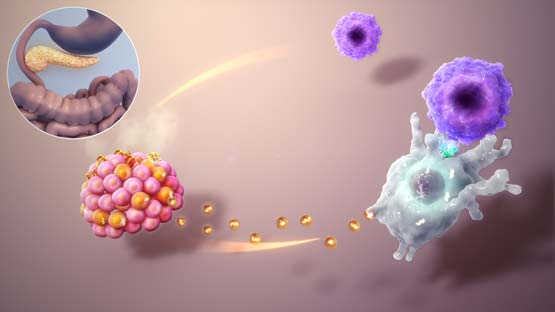
Genetic factors cannot be ignored in diabetes. While there is a genetic predisposition for Type 1 diabetes, it is not necessarily inherited from parents. Environmental factors and viral infections often play a complex role in its occurrence. In contrast, Type 2 diabetes is significantly influenced by family history. If a parent or sibling has diabetes, the risk of developing it increases several times. In such cases, managing lifestyle habits from a young age is very important.
To explain the mechanism of diabetes more simply: when we eat, glucose is absorbed into the blood, and the pancreas secretes insulin. Insulin sends signals to cells to take in glucose, and when cells receive that signal, they use glucose for energy. However, in Type 1 diabetes, there is no insulin at all, so this process is blocked from the start. In Type 2 diabetes, insulin is present, but the cells do not respond well to the signals, causing glucose to remain in the blood.
Ultimately, if diabetes persists for a long time, high blood sugar levels can damage blood vessel walls, leading to various complications. Common complications include kidney disease, blindness, myocardial infarction, stroke, and peripheral vascular disease. Therefore, diabetes is also referred to as a 'silent killer.' It does not cause pain or have specific symptoms, making it easy to overlook, while it continues to damage the body internally.
So, how can we prevent it? There is currently no precise prevention method for Type 1 diabetes. However, Type 2 diabetes can be sufficiently prevented or delayed through thorough management of lifestyle habits. Managing weight, engaging in regular exercise, and reducing the intake of refined carbohydrates and sugars are the most basic methods. Managing stress is also important. Diabetes cannot be resolved simply by managing blood sugar; it requires a comprehensive change to healthier lifestyle habits.
Finally, if diabetes is already present, consistent blood sugar management is essential. Medication, insulin injections, dietary therapy, and exercise therapy must all be managed in balance to maintain a healthy life without major complications.
Nowadays, there are many devices that can measure blood sugar in real-time, so with good self-management, one can maintain a good condition. Ultimately, diabetes is a disease of management. Remember that overcoming the disease ultimately depends on your consistency.







 Tora Tora |
 neroyo |
 nivex85 |
 Old English |
 nixxon |
 horizon |
 endone |
 Mazinger Z Rocket Punch |

 Atlanta Mama |
  Baguette Blog |
  US Embassy |
  Korean Mom |
  My NYC |
  moo moo |
  Mr Oh |
  forevergee |
  festival |
  manchester |
  constant |
  Leapfrog Move |
  vibranto |
  yellowbutter |
  Dolly |
  NYC saladbar |
  Finding Superfoods |
  lightyear |
  song bang |