
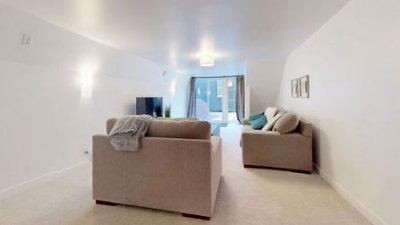
A couple nearing retirement after working in Manhattan recently sought advice. They expressed interest after seeing promotional materials for active senior communities, which are residential complexes for residents aged 55 and older, but felt overwhelmed about how to organize their current home.
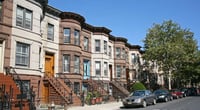
It's rare to think of single-family homes in Manhattan. Most properties are in the form of co-ops or condos, both of which incur monthly maintenance fees. As of 2025, the average common charges for Manhattan condos are about $3.42 per square foot, and for typical one- to two-bedroom units, monthly costs range from $300 to $1,500 (according to Miller Samuel). Co-op maintenance fees tend to be higher, averaging around $2.54 per square foot, meaning a 1,000-square-foot unit could cost about $2,540 per month.
Additionally, one must consider New York City's unique property tax system. Co-ops and condos in New York City can reduce their taxes by 17.5% to 28.1% through annual co-op condo tax exemption applications based on the building's average assessed value. If you are over 65 and have an income below $58,399, you can lower the assessed value by up to 50% through the SCHE, or Senior Citizen Homeowners' Exemption, so many people utilize both programs together.
Heating and cooling costs are also significant. As of December 2025, the average electric bill in New York State is $175.02 per month, and Con Edison has raised rates by about 5.7% in 2026 to reflect supply cost increases. In Manhattan, where buildings often have central heating included in maintenance fees, units with individual air conditioning may see much higher electric bills in the summer than expected.
Active senior communities can be seen as an option to alleviate these management burdens. They typically handle landscaping, snow removal, and building exterior maintenance, and residents are usually limited to those aged 55 and older, allowing for a lifestyle with neighbors who have similar rhythms. However, these communities are often located in nearby suburban areas rather than within New York City, and in addition to maintenance fees, there may be separate charges for community facilities, so it's advisable to check each item before signing a contract.
- Co-op - Maintenance fees are among the highest, but building management and security are stable.
- Condo - The sales process is more flexible than co-ops, and maintenance fees are relatively lower.
- Active Senior Community - Management burdens are the least, but urban accessibility may be reduced.
When exploring active senior communities, it's essential to carefully check what items are included in the maintenance fees. Landscaping and snow removal are often included, but gym or community center usage fees may be separate. Even within the same area, the composition of maintenance fees can vary by complex, so it's wise to request a maintenance fee statement before signing a contract to compare items one by one.
Co-ops require board approval for sales, making the process more complicated than condos. However, co-op maintenance fees often include property taxes, so residents may not receive separate property tax bills. Condos, on the other hand, pay property taxes individually, but the sales process is relatively flexible, so which option suits your situation depends on the timing of your sales plans.
If you decide to move to an active senior community in Manhattan, managing the timing of selling your existing co-op or condo and moving into the new complex is also important. If both transactions do not occur simultaneously, additional temporary housing costs may arise.
Ultimately, deciding where to move and how to organize your current home involves considering not just the differences in sales prices but also maintenance fees, property tax reductions, and heating and cooling costs. This article is not investment advice or legal counsel, and it is recommended to consult a tax advisor or real estate professional before finalizing any contracts.
 CrystalTrail96
 ThirstyJjang







 Sugar Cream Door Bulletproof Noodles |
 urbanmint |
 |
| 
 Premium Gas Camp |
 CA Real Estate |
 newyorker 101 |
 Things to Do to Buy a House |
 Lunch and Dinner Mexican Taco |
 Poppin News |
 Living in the Eastern United States |
  Stable Co. |
  Purple Moons, |
  International Court |
  roma |
  horse |
  moodansa 77 |
  zymit |
  maplefox |
  Fun Flex Life |
  hopeful |
  Reeno |
  Coastal city |
  meonetoo |
  Winter bear |
  Peach Jam Eating Laughter |
  Nando Raldo |
  American Man in a Mask |
  wendra |
  silver |
  bada2002 |