

Last week, my parents called to ask if they needed to pay for the flu shot at the pharmacy.
When I tried to answer, I was confused myself. Last year, I just went along and got them vaccinated without considering where the costs came from.
So this time, I checked the official Medicare guidelines and CDC materials one by one. It's simpler than I thought, but there is one catch.
To put it simply, all three vaccines can be received at no cost. However, the processing parts differ for each vaccine.
The flu and COVID vaccines are covered under Medicare Part B. The RSV vaccine falls under Part D, which is the prescription drug plan.
If you don't know this difference, you might get confused at the pharmacy counter. Someone without Part D might think they can get the RSV vaccine for free and end up receiving a bill.
First, let's talk about the flu vaccine. Part B covers one flu shot each season as a preventive service.
There are no deductibles or coinsurance. The only condition is that the doctor or pharmacy must accept Medicare assignment.
If you are 65 or older, make sure to check the type of vaccine. The CDC recommends high-dose and adjuvanted vaccines for this age group over the standard dose.
This year's flu vaccine targets three strains, and all three strains have changed from last season. That's why you shouldn't skip it just because you got vaccinated last year.
Ask the pharmacy in advance if they have the high-dose vaccine. Some places run out of stock early, so it's best to select the type of vaccine when making a reservation through an app.
Next is the COVID vaccine. This is also processed under Part B, and if it's at a place that accepts assignment, there's no cost to you.
The FDA approved a variant-based vaccine for the 2026-2027 season at the end of August. Pfizer, Moderna, and Novavax products have been approved for everyone aged 65 and older.
There is one change. The CDC advisory committee changed the recommendation for COVID vaccinations for those 65 and older to be based on individual judgment, meaning it should be decided in consultation with healthcare providers.
However, a prescription is not required. According to the CDC, doctors, nurses, and pharmacists are all included as healthcare providers to consult with, so you can just have a brief conversation at the pharmacy and get vaccinated.
Even though the recommendation method has changed, Medicare coverage remains intact. Honestly, this part can be quite confusing just from the news.
Now, let's discuss the most commonly overlooked RSV vaccine. The RSV vaccine is covered under Part D, not Part B.
Thanks to the Inflation Reduction Act, as of January 2023, adult vaccines recommended by the advisory committee are now free under Part D. RSV is included in this.
So, you need to have either a standalone Part D plan or a Medicare Advantage plan that includes drug coverage. If you have neither, the RSV vaccine will not be free.
There are also specific eligibility criteria. Everyone aged 75 and older is eligible, and those aged 50-74 are recommended if they have risk factors like heart or lung diseases.
Additionally, the RSV vaccine is not one that you get every year. If you've already received it once, you generally don't need to get it again this year, so check your pharmacy records to see when you were last vaccinated.
When going to the pharmacy, the items you need to bring are simple. Just your red and blue Medicare card, your Part D card, and if you have a Medicare Advantage plan, your plan card.
If you have a Medicare Advantage plan, make sure to check if the pharmacy is in the plan's network first. Getting the RSV vaccine outside the network can complicate cost processing.
When making a reservation, it's helpful to note that you are a Medicare beneficiary in the comments section. The pharmacy will check your insurance in advance, which will save time at the counter.
According to CDC guidelines, it is possible to receive the flu, COVID, and RSV vaccines on the same day. However, depending on your condition or underlying health issues, it might be better to space them out, so consult with your doctor or pharmacist.
In Indiana, the state health department recommends getting vaccinated through your primary care physician, county health department, or pharmacy. Making a reservation through a local chain pharmacy app can also reduce wait times.
The timing in October is generally good. It's recommended to get vaccinated before the flu starts spreading, and Indiana winters are long with a lot of indoor activities, making it even more important.
I have a habit of checking the weather and tide before going fishing at the beach. Vaccines are similar. If you check in advance which part they fall under, you won't make unnecessary trips.
Insurance plans and health conditions vary from household to household. It's best to double-check with your plan's customer service or a professional based on your individual situation.
If it were me, I would first handle the flu and COVID vaccines under Part B this week, and then check my Part D card for RSV and make a separate appointment.
Even if the beach is far away, these things can be resolved at a nearby pharmacy. This winter, I plan to take care of my parents' health first and then enjoy the cool sea breeze in the spring.
 SunrayPlus



 saffronroute |
 You Only Live Once |
 Texas Real Estate Blog |
 zentar |
 seouljung |
 Now or Never |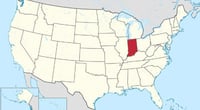
 Yellow Snowman |
 Indiana Jones |


 rouge88 |
  wendra |
  silver |
  bada2002 |
  horizon |
  Nanana Nanana Nanana |
  victoria jung |
  Kkikki Ppappa Shout Out Loud |
  Lululala |
  Toaster Pizza Magic Show |
  Utah, the Most Livable State |
  nortrix |
  Mau Nui |
  novapixel |
  fixed |
  AL ALASKA |
  amola |
  History Repeats Itself |
  Doori Ark |
  Rainbow Bridge to the Sky |