

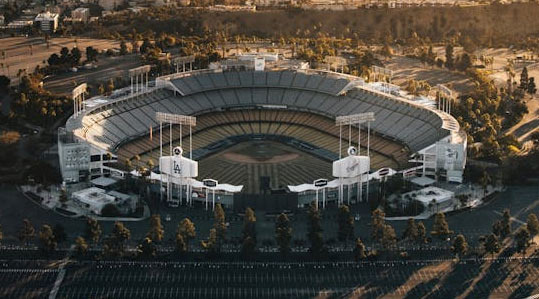
Dodger Stadium has established itself as an iconic place with a long history and unique architectural style, going beyond just being a baseball stadium. Its rich history, various events, and positive impact on the community are among the reasons why Dodger Stadium is loved by baseball fans worldwide.
Dodger Stadium will continue to provide unforgettable experiences to more fans through ongoing development and modernization, maintaining its role as a cultural hub in Los Angeles. I hope that everyone visiting Dodger Stadium can enjoy the exciting baseball games taking place here and feel its history and tradition.
For more detailed information or the latest news about Dodger Stadium, you can check the official Dodgers website (mlb.com/dodgers). If you have the opportunity, I encourage you to visit Dodger Stadium and experience its charm firsthand.







 candytip |
 Gold Bar |
 Pirate Ship Popcorn Maker |
 Montgomery Mom |
 Anjollinya Blog |
 Weekend Movie Blog |
 Beauty, Health, Lifestyle Blog |
 coloradoman |
 Superman Cat Blog |
 Noodle Noodle |
  Tonky |
  viroma |
  cookie |
  Live and that's it |
  Alright Twain |
  eatontown blog |
  HAWAII Korean Church News |
  Amore |
  linex |
  Balancework |
  laro90 |
  MEDBIO American Doctor Blog |
  SWAT TEAM BLK |
  DREAM BIG |
  frostbite |
  330 Forever My Love |
  El Dorado |
  dralix58 |
  Gorama Round |
  Skydiving |