

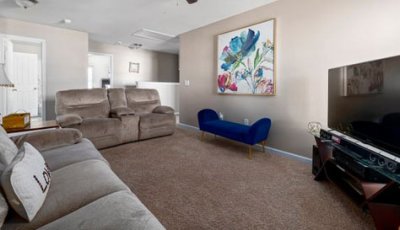
A family that has been renting in the Bronx for a long time has recently started to seriously consider buying a home. The significant amount spent on rent each month led them to think that it might be better to cover a mortgage instead. However, whether this judgment is correct varies greatly even within the local market.
According to Zillow, the median home value in Bronx County is $492,741, which has increased by 5.2% over the past year. Rent, based on Zumper's data, averages $3,200 and has jumped by 9% in the last year. For one-bedroom apartments, many listings are in the high $2,200 range. Recently, rent prices have been rising much faster than home prices.
The price-to-rent ratio makes this trend even clearer. This ratio is calculated by dividing the home price by the annual rent, and for the Bronx, it averages around 13 times. A ratio below 15 is generally seen as favorable for buying, and the Bronx is below that threshold. With rent increasing so quickly, the burden of renting has become heavier compared to buying in other boroughs of New York City.
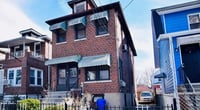
However, conditions vary even within the Bronx. Areas like Riverdale, known for stable school districts and quiet neighborhoods, have home prices that are higher than the borough average, while other areas with better accessibility have relatively lower prices. Families looking to move based on school districts should check the ratings of assigned schools for their desired addresses on GreatSchools or Niche, as school district boundaries change more frequently than one might expect.
Before transitioning to buying, it's essential to assess the ability to make a down payment. For a 20% down payment, around $98,000 is needed, and whether this amount has been saved can significantly affect monthly payments. In New York City, buying a condo or co-op often comes with additional closing costs and maintenance fees, so it's crucial to carefully evaluate the actual monthly burden for each listing. Property taxes and insurance rates in New York State can vary greatly depending on the borough and type of building, so individual verification is necessary.
In older apartment-dense areas in the southern Bronx, rent increases are particularly steep, while quieter areas like Riverdale or Pelham Bay have higher home prices but more gradual rent increases. Depending on which area you consider within the same borough, the calculations between renting and buying can differ significantly.
When moving to buy, it's also important to calculate how many years one needs to live there to recoup closing costs and maintenance fees. Areas with rapidly rising rents tend to have shorter payback periods, but co-ops and condos can have significant variations in maintenance fees, leading to substantial differences in monthly costs. It's necessary to check the maintenance fee details for each listing in advance.
One guideline to consider is that housing costs should not exceed 30% of monthly income. There are concerns that more households in the Bronx are exceeding this threshold as rent rises quickly. When transitioning to buying, it's also important to sum up mortgage payments, maintenance fees, and property taxes to check against the same guideline. Calculating the burden relative to income is essential to determine which option, renting or buying, is actually feasible.
It's also important to review loan products. There are options available even if the down payment is less than 20%, but in such cases, mortgage insurance premiums will be added monthly. Co-ops often have separate board approval processes, which can take additional time beyond loan approval, so it's good to be aware of this in advance.
Your living plans will also influence your decision. If you plan to stay in the Bronx for a long time, the current period of rapidly rising rents may make buying more advantageous. Conversely, if there's a possibility of moving to another area within a few years, considering closing costs may mean that renting remains the less burdensome option. If rent increases have prompted this consideration, it makes sense to reassess those figures in light of local variations.
This information is not investment or legal advice, and it is recommended to consult with a professional before making any actual agreements.
 ParisBarba
 UsedBooks





 Sugar Cream Door Bulletproof Noodles |
 urbanmint |
 |
| 
 Premium Gas Camp |
 CA Real Estate |
 Another Eden Channel BLOG |
 mistic |
 Living in America and Writing Essays |

 Belgray Miscellany |
  UCLA Captain |
  lattecu |
  dynamite |
  frostingline |
  Hakuna Matata |
  Your Curiosity Resolved |
  Way to easy |
  Chino Min |
  nexabyte |
  moonshine 7 |
  Sunset Oregon |
  victoria 68 |
  golfmaster |
  Montgomery Mom |
  squidogame |
  Noodle Noodle |
  Rhode Island Good People |
  Big North |
  Famous Attractions in the United States |
  Jin Soo V |