

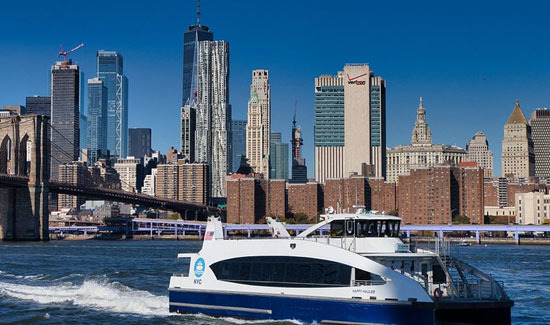
At first glance, the water taxi in New York seems like a tourist attraction, making the fares and usage seem unnecessarily complicated.
However, once you try it, you'll find that it's not as complicated as it seems. Based on my experience, here's a summary.
First, the fare is not a fixed price like the subway. It varies depending on how you use it. The basic option is a one-way ticket. The price is higher than the subway but much cheaper than taxis like yellow cabs or Uber. For frequent users or those with a busy schedule, there are day passes or multi-passes available. A pass that allows unlimited rides for a day is useful not only for tourists but also for locals with unpredictable schedules. Depending on the season, there may be discounts or promotions, so it's a good idea to check the website or app occasionally.
The usage method is even simpler. In the past, you had to buy a paper ticket at the dock, but now most transactions are done via mobile. By using the New York Water Taxi or NYC Ferry app on your smartphone, you can purchase a ticket, and a QR code will be generated immediately. When boarding the boat, just show that screen to the staff, and you're done. Some docks still have kiosks or ticket counters, but during rush hours, it's much more convenient to buy tickets in advance on your mobile.
Water Taxi Fares
-
Generally, the fare for a one-way ticket is about $19 to $20.
-
The All-Day Pass, which allows unlimited rides throughout the day, is about $37.
-
Occasionally, there are tickets that are slightly cheaper due to weekends or promotions. With these prices, you can explore various points along the water, including Manhattan, Brooklyn, and downtown.
The boarding process is straightforward; just stand in line properly. Seats are not assigned, so the first person to board sits wherever they want. On nice days, outdoor seats are very popular. There are routes that allow you to bring a bicycle, but additional fees often apply, so it's necessary to check for each route.
One important thing to note is that water taxis are heavily affected by the weather. If it's windy or during winter, the intervals between services may increase, or trips may be canceled suddenly. If you have an important appointment, it's wise to check the real-time service status. Still, the frustration of being stuck without reason, like with the subway, is relatively less.
Personally, I feel that while the water taxi fare may seem expensive in terms of time, when you consider the reduction in stress and the scenery, it makes sense.
Traveling from the Bronx and looking at Manhattan from the water feels like a nice bonus in New York life. Therefore, rather than being a daily mode of transportation, the water taxi can be seen as an option that occasionally changes the rhythm of living in New York.






 candytip |
 Gold Bar |
 Pirate Ship Popcorn Maker |
 Montgomery Mom |
 Anjollinya Blog |
 Another Eden Channel BLOG |
 vale vale |
 Exciting FM Radio |
 Belgray Miscellany |
 mistic |
  US Embassy |
  Korean Mom |
  My NYC |
  moo moo |
  Mr Oh |
  forevergee |
  festival |
  manchester |
  constant |
  Leapfrog Move |
  vibranto |
  Tora Tora |
  yellowbutter |
  Dolly |
  NYC saladbar |
  Finding Superfoods |
  lightyear |
  song bang |
  vexomo |
  Indiana Jones |